
Table of Contents
The Art & Integrity of Custom Police Badges: Crafting Symbols of Service & Authority
A police badge is far more than a piece of metal worn on a uniform—it is a sacred symbol of duty, honor, integrity, and the trust between law enforcement and the communities they serve. For decades, custom police badges have been tailored to reflect the unique identity of departments, agencies, and the officers who bear them, blending traditional craftsmanship with modern design principles. From small-town police forces to federal agencies, custom badges tell a story of heritage, mission, and pride. This comprehensive guide delves into the world of custom police badges, exploring their history, craftsmanship, design considerations, compliance standards, and the profound significance they hold in law enforcement culture.
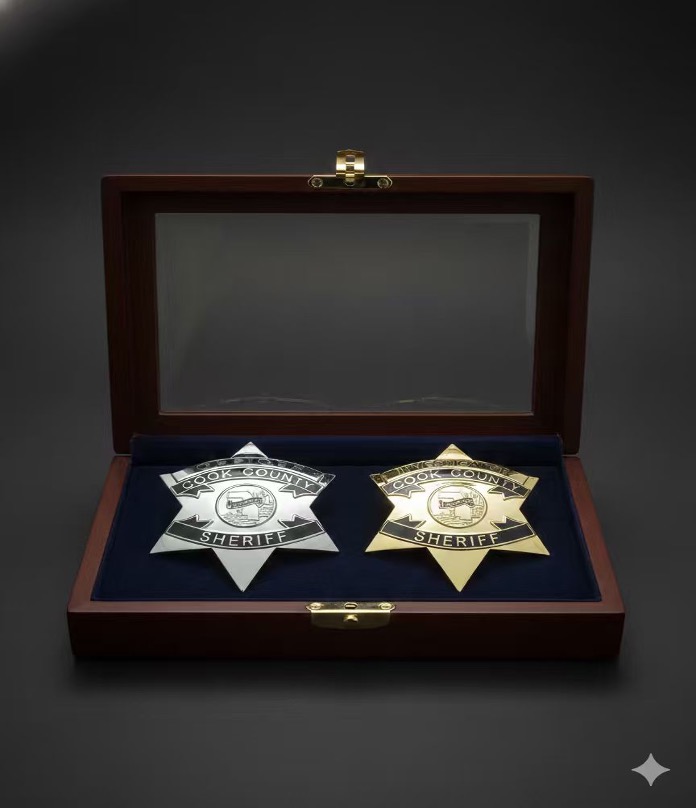
The Historical Significance of Police Badges: From Markers of Authority to Symbols of Trust
The origins of police badges trace back centuries, evolving from simple markers of authority to the revered symbols we recognize today. In medieval Europe, law enforcement officials—known as constables or watchmen—carried seals, medallions, or emblems to identify their role in upholding local laws. These early symbols were often crude, made from wood, leather, or basic metals, and served primarily to distinguish officials from the general public.
As formal police departments emerged in the 19th century—most notably the London Metropolitan Police in 1829 and the New York City Police Department in 1845—badges became standardized yet personalized. Early American police badges were often handcrafted by local jewelers, featuring unique engravings, department names, and symbols that reflected the community’s values. For example, badges in coastal towns might incorporate nautical motifs, while those in agricultural regions featured farm-related imagery.
Over time, badges evolved to embody more than just authority—they became a representation of the officer’s commitment to service. During times of conflict, such as World Wars I and II, badges were modified to honor fallen officers or commemorate military service, further deepening their emotional resonance. Today, custom police badges continue this tradition, serving as a link between a department’s past and present, and a tangible reminder of the oath each officer takes to protect and serve.
Key Design Considerations for Custom Police Badges
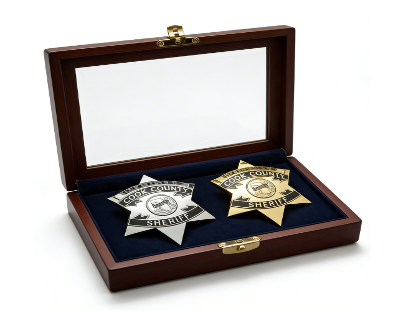
Designing a custom police badge requires balancing symbolism, functionality, and departmental identity. Every element—from shape to color to engraving—carries meaning, so careful consideration is essential. Below are the key factors to keep in mind when creating a custom badge:
Symbolism & Departmental Identity
The badge’s design should reflect the department’s mission, values, and heritage. Common symbolic elements include:
- Shapes: Shields (representing protection), stars (symbolizing authority and guidance), eagles (signifying freedom and vigilance), and circles (symbolizing unity and community).
- Local Icons: Incorporating landmarks, state emblems, or regional symbols to tie the badge to the community it serves. For example, a department in Arizona might feature a saguaro cactus, while one in Boston could include a shamrock or colonial-era imagery.
- Mottos & Oaths: Engraving the department’s motto (e.g., “To Protect and Serve”) or the officer’s oath adds a personal, meaningful touch, reinforcing the commitment to duty.
Functionality & Wearability
While symbolism is important, the badge must also be functional for everyday wear. Considerations include size (typically 2–3 inches in diameter for chest badges), weight (to avoid discomfort during long shifts), and attachment method (clutch backs, magnetic backs, or slide-on bars for uniform compatibility). The design should also ensure the badge is easily visible and recognizable, as it serves as a form of identification for the officer.
Compliance with Regulations
Law enforcement badges are regulated at both the state and federal levels to prevent counterfeiting and misuse. When designing a custom badge, departments must adhere to local laws regarding the use of symbols (such as the U.S. eagle for federal agencies), text (prohibiting false claims of authority), and design elements (ensuring the badge does not resemble those of other agencies). Working with a reputable manufacturer who specializes in law enforcement badges ensures compliance with these regulations.
Timelessness vs. Modernity
Custom police badges are intended to last for decades, so the design should strike a balance between timeless tradition and modern aesthetics. Avoiding fleeting trends ensures the badge remains relevant and respected for years to come, while incorporating subtle modern touches (such as clean lines or updated typography) can keep it from feeling outdated. Many departments opt to retain core design elements from their original badges while updating details to reflect contemporary values.
The Role of Custom Police Badges in Law Enforcement Culture
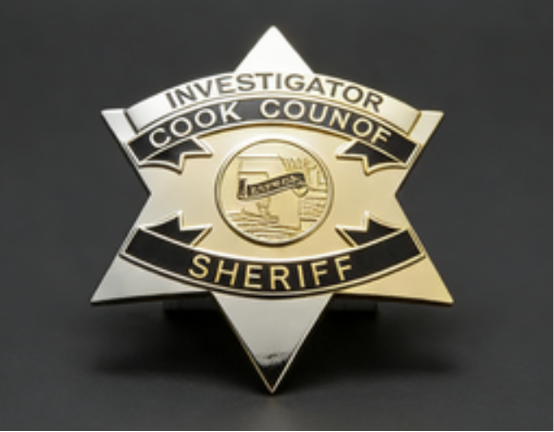
Beyond their practical function as identification, custom police badges play a central role in law enforcement culture, fostering pride, camaraderie, and a sense of belonging. For officers, receiving a badge is a milestone moment—symbolizing the completion of training, the acceptance of duty, and the trust of the community. Many officers keep their badges for life, even after retirement, as a cherished memento of their service.
Custom badges also strengthen departmental identity, uniting officers under a shared symbol. For small departments, a unique badge can help establish a distinct presence in the community, while for larger agencies, custom badges for specialized units (e.g., SWAT, K-9, detective bureaus) recognize the unique roles and contributions of those officers. In times of tragedy, badges are often displayed as a tribute to fallen officers, serving as a reminder of their sacrifice and the enduring mission of law enforcement.
For the community, a police badge is a symbol of safety and trust. It represents the promise of protection, the pursuit of justice, and the partnership between law enforcement and residents. A well-designed, custom badge can reinforce this trust, as it reflects the department’s commitment to professionalism and attention to detail.
Custom Police Badges for Special Units & Ceremonial Purposes
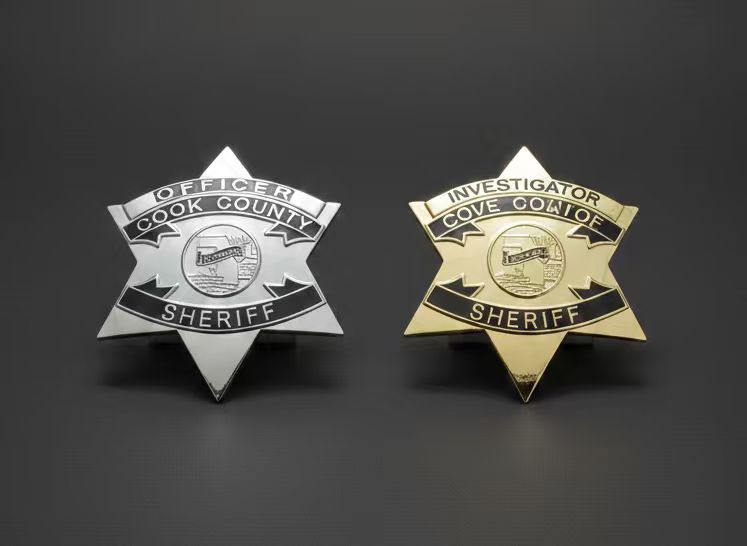
While standard patrol badges are the most common, custom police badges are also crafted for special units, ceremonial events, and honorary purposes, each with unique design elements tailored to their role:
Special Unit Badges
Specialized law enforcement units—such as SWAT, K-9, narcotics, and detective bureaus—often have custom badges that distinguish them from patrol officers. These badges may feature unit-specific symbols (e.g., a K-9 paw print, a SWAT shield, or a detective’s magnifying glass) and unique color schemes (such as black and gold for tactical units) to reflect their specialized role. These badges not only identify the unit but also signify the additional training, skill, and responsibility of the officers who wear them.
Ceremonial Badges
Ceremonial badges are used for formal events, such as police academy graduations, promotions, and memorial services. These badges are often more elaborate than standard patrol badges, featuring premium materials (sterling silver, gold plating), intricate engravings, and enamel accents. Ceremonial badges may also include the officer’s name, rank, and date of service, making them a personalized keepsake for milestone events.
Honorary & Retired Badges
Honorary badges are sometimes awarded to community members, volunteers, or elected officials who have made significant contributions to law enforcement. Retired badges, meanwhile, are often modified (e.g., with “Retired” engraved on the back) to honor former officers and their years of service. These badges serve as a token of appreciation and a lasting connection to the department.
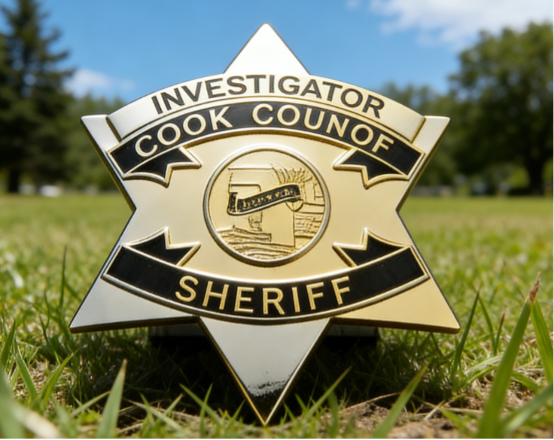
Preserving & Honoring Custom Police Badges
Custom police badges are designed to last a lifetime, but proper care and preservation are essential to maintain their appearance and integrity. For active officers, regular cleaning with a soft cloth and mild soap (avoiding harsh chemicals) will prevent tarnishing and wear. When not in use, badges should be stored in a protective case to avoid scratches or damage.
For retired officers and collectors, preserving the badge’s history is equally important. Many choose to display their badges in shadow boxes alongside other memorabilia (such as patches, certificates, or service medals) to tell the story of their career. Some departments also maintain a badge wall or museum to honor the history of their badges and the officers who wore them.
In the event of an officer’s death in the line of duty, the badge is often returned to the department or family as a sacred memorial. Some departments retire the badge number permanently, while others engrave the officer’s name on a memorial wall, ensuring their sacrifice is never forgotten.
The Enduring Legacy of Custom Police Badges
Custom police badges are more than just pieces of metal—they are symbols of service, honor, and the unbreakable bond between law enforcement and the communities they protect. From the skilled craftsmanship that goes into their creation to the profound meaning they hold for officers and residents alike, these badges embody the best of law enforcement culture: courage, integrity, and commitment.
Whether designed to reflect a department’s heritage, honor a special unit, or commemorate a milestone, custom police badges stand as a testament to the men and women who dedicate their lives to public service. As law enforcement evolves to meet the challenges of the modern world, custom badges will continue to adapt—yet their core purpose will remain unchanged: to represent the trust, duty, and pride of those who wear them.