Honoring the Badge: The Purpose, Traditions & Designs of Police Challenge Coins
For law enforcement officers, the badge is more than a piece of metal—it’s a symbol of duty, integrity, courage, and a lifelong commitment to protecting and serving the community. But there’s another powerful symbol that stands alongside the badge, carrying equal weight in police culture: police challenge coins. These custom coins are far more than collectibles; they are tangible representations of honor, brotherhood, and the rich traditions that bind police officers together across departments, ranks, and generations.
In this comprehensive, SEO-optimized guide, we’ll dive deep into police challenge coins—exploring their purpose, tracing their traditions, breaking down their meaningful designs, and explaining why they remain an essential part of law enforcement culture today. Whether you’re a police officer, a department administrator, someone looking to honor a law enforcement hero, or simply curious about this time-honored tradition, this blog will answer all your questions about custom police challenge coins, their role in honoring the badge, and how they preserve the legacy of those who wear it.
What Are Police Challenge Coins? (And Why Do They Matter?)
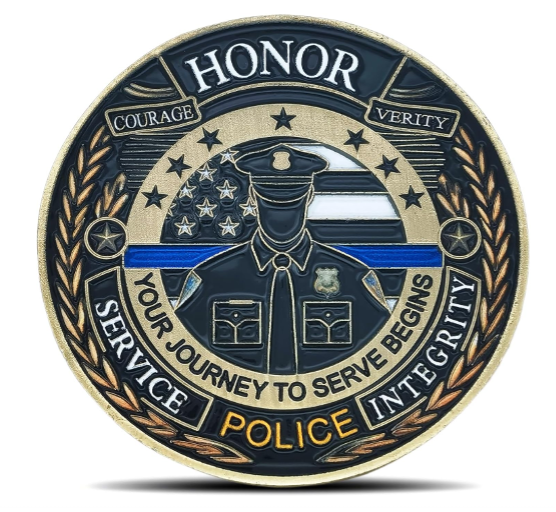
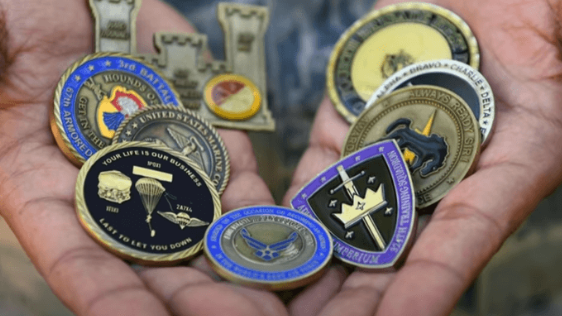
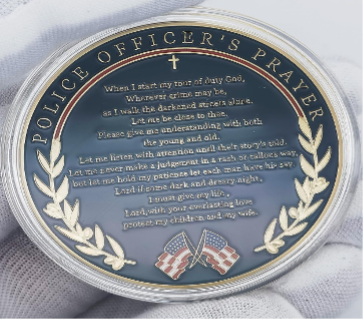
First, let’s define what police challenge coins are—and why they hold such significance in law enforcement. A police challenge coin is a small, custom-minted metal coin, typically 1” to 1.5” in diameter, that represents a police department, unit, precinct, or special task force. Unlike generic promotional coins, custom police challenge coins are designed with intentionality, featuring symbols, mottos, and details that reflect the identity, mission, and values of the law enforcement agency they represent.
But police challenge coins are more than just decorative tokens. They serve as a bridge between the badge and the officer’s personal commitment to service. While the badge is worn publicly as a symbol of authority, the challenge coin is carried privately (or displayed proudly) as a symbol of brotherhood, sacrifice, and pride in one’s profession. For police officers, a challenge coin is a reminder of why they chose this career, the oath they took, and the teammates who have their backs—both on and off the job.
From rookies graduating the academy to seasoned veterans retiring after decades of service, police challenge coins are a constant presence in an officer’s career. They are given to honor achievement, celebrate milestones, and mourn fallen comrades—making them an integral part of police culture that transcends time and jurisdiction.
The Purpose of Police Challenge Coins: More Than Just a Token
The purpose of police challenge coins goes far beyond mere recognition. They serve multiple meaningful roles in law enforcement, each tied to the core values of duty, honor, and brotherhood. Below are the key purposes of police challenge coins—all of which make them a vital part of honoring the badge:
1. Honoring Service & Recognizing Achievement
One of the primary purposes of custom police challenge coins is to honor the service and recognize the achievements of law enforcement officers. Unlike formal awards that require lengthy paperwork, challenge coins can be given quickly and intimately—on the street, in the precinct, or during a small ceremony—to acknowledge an officer’s hard work, bravery, or dedication.
Examples of when police challenge coins are given for achievement include:
Graduation from the police academy (a “rookie coin” to welcome new officers to the force)
Acts of bravery (e.g., diffusing a violent situation, rescuing a civilian, or risking one’s life to protect others)
Years of service (5, 10, 15, or 20+ years with a department)
Outstanding performance (e.g., solving a high-profile case, reducing crime in a neighborhood, or going above and beyond the call of duty)
Leadership (recognizing sergeants, lieutenants, or captains for their guidance and commitment to their team)
These coins are more than just a “thank you”—they are a public acknowledgment that an officer’s service matters. They serve as a lifelong reminder of that achievement, and a source of pride for the officer, their family, and their department.
2. Fostering Brotherhood & Unit Cohesion
Law enforcement is a profession built on trust and teamwork. Officers rely on their teammates to have their backs in dangerous situations, and brotherhood is what keeps them strong during the toughest times. Police challenge coins are a powerful tool for fostering this brotherhood and building unit cohesion.
When a police department or unit issues a custom challenge coin, every officer—from the newest rookie to the highest-ranking chief—receives one. This creates a sense of equality: no matter the rank, every officer carries the same coin, symbolizing that they are part of the same team, bound by the same mission to protect and serve.
The “challenge” tradition—where one officer challenges another to show their coin, with the loser buying a round of drinks—further strengthens these bonds. This lighthearted ritual creates camaraderie, builds trust, and reminds officers that they are not alone in their service. For officers working long shifts, dealing with trauma, or facing dangerous situations, this brotherhood is a lifeline—and the challenge coin is its symbol.
3. Preserving Legacy & Honoring Fallen Comrades
In law enforcement, remembering fallen comrades is a sacred tradition. Police challenge coins play a critical role in preserving the legacy of officers who lost their lives in the line of duty, ensuring that their sacrifice is never forgotten.
Many police departments create “fallen officer” challenge coins—custom coins dedicated to officers who made the ultimate sacrifice. These coins often feature the fallen officer’s name, photo, badge number, dates of service, and a message of remembrance (e.g., “Never Forgotten” or “End of Watch”). They are given to the fallen officer’s family as a token of respect, as well as to current officers in the department, serving as a reminder of the risks of the profession and the debt of gratitude owed to those who gave their lives.
For example, a police precinct might mint a challenge coin in honor of an officer who was killed in the line of duty. Every officer in the precinct carries the coin, and during memorial services, they present the coin to the officer’s family as a symbol of their eternal respect. These coins are more than just memorials—they are a way to keep the fallen officer’s memory alive, ensuring that their service and sacrifice are never forgotten by future generations of officers.
4. Representing Department Identity & Values
Every police department has a unique identity, mission, and set of values—and custom police challenge coins are a perfect way to represent this identity. The design of a police challenge coin is carefully crafted to reflect the department’s history, jurisdiction, and core values, making it a visual symbol of what the department stands for.
For example, a small-town police department might feature the town’s landmark on their coin, while a big-city department might include their badge logo and the city skyline. A SWAT team might design a coin with tactical symbols, while a community policing unit might feature symbols of community engagement (e.g., a handshake, a neighborhood). These designs make the coin instantly recognizable, allowing officers to show pride in their department and its mission.
5. Building Community Connections
Police challenge coins are not just for officers—they are also a way to build connections with the community. Many police departments give challenge coins to community members, volunteers, and first responders (e.g., firefighters, paramedics) as a token of appreciation for their support. This gesture fosters trust and mutual respect between law enforcement and the community they serve.
For example, a police department might give challenge coins to local volunteers who help with community events, or to students who participate in a youth police academy. These coins serve as a bridge between the police and the community, reminding everyone that they are working together toward a safer, stronger neighborhood.
The Traditions of Police Challenge Coins: Tracing Their History
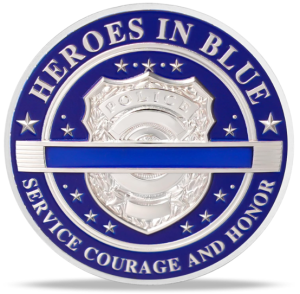
To fully understand police challenge coins, we must trace their traditions—rooted in military history but adapted to the unique culture of law enforcement. The challenge coin tradition began in World War I, when a wealthy Army lieutenant had bronze coins minted for his unit. One soldier, who carried his coin in a leather pouch, was captured by German forces and stripped of all personal items—except the coin, which he hid in his boot. Later, when he escaped and was mistaken for an enemy, he presented the coin to his rescuers, proving his identity and saving his life.
This story sparked a tradition in the military, where challenge coins became symbols of belonging, loyalty, and service. Over time, law enforcement agencies adopted the tradition, adapting it to their own culture of duty and brotherhood. The first police challenge coins were minted in the mid-20th century, and the tradition has only grown stronger since then.
Key Traditions of Police Challenge Coins
Today, police challenge coins are steeped in tradition—rituals that add to their meaning and significance. Below are the most important traditions associated with police challenge coins:
The Challenge Ritual
The most well-known tradition is the “challenge.” When one officer challenges another, they say, “Coin check!” or “Show me your coin!” The challenged officer must immediately display their police challenge coin. If they cannot, they buy a round of drinks (or another small gesture) for the challenger and any other officers present. If they can show their coin, the challenger buys the round. This ritual is a lighthearted way to reinforce camaraderie and ensure that officers carry their coins with pride.
The Presentation Ritual
Police challenge coins are never just “given”—they are presented with intention. When an officer receives a challenge coin, it is often accompanied by a handshake, a speech, or a moment of recognition. For example, a police chief might present a coin to a rookie during their academy graduation, saying a few words about the honor of wearing the badge and the responsibility that comes with it. This presentation ritual makes the coin more meaningful, turning it into a symbol of trust and respect.
Carrying the Coin
There is an unwritten rule that police challenge coins must be carried at all times—either in a pocket, a leather pouch, or on a lanyard. They are never placed on a table, thrown around, or treated disrespectfully. This tradition reflects the respect that officers have for the coin and what it represents. Carrying the coin is a way to honor the badge, the department, and the brotherhood of law enforcement.
Passing Down the Tradition
Police challenge coins are often passed down from seasoned officers to rookies, serving as a way to pass on the traditions, values, and history of the department. A veteran officer might give their coin to a new recruit, sharing stories of their service and encouraging the rookie to uphold the highest standards of law enforcement. This passing down of the coin ensures that the tradition lives on, connecting generations of officers.
Police Challenge Coin Designs: What Makes Them Meaningful?
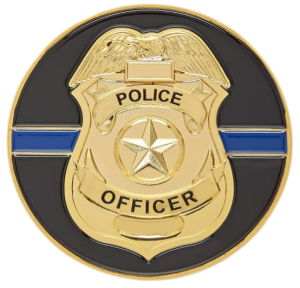
The design of a police challenge coin is what makes it unique and meaningful. Every detail—from the symbols to the colors to the text—is intentional, reflecting the department’s identity, mission, and values. Below is a breakdown of the key design elements of custom police challenge coins, along with examples of how they are used to honor the badge:
1. Core Symbols of Law Enforcement
Nearly all police challenge coins feature core symbols of law enforcement, which instantly identify the coin as part of police culture. Common symbols include:
The police badge (the most iconic symbol, often featured prominently on the coin)
Badge numbers (of individual officers or the department)
Police insignia (e.g., eagles, shields, stars)
Patrol cars, handcuffs, or other law enforcement equipment
The department’s seal or logo
For example, a police challenge coin might feature the department’s badge on the front, with the department’s name and motto around the edge. This design instantly tells anyone who sees the coin that it belongs to a law enforcement officer.
2. Department-Specific Details
To make the coin unique to the department, custom police challenge coins often include department-specific details, such as:
The department’s name and jurisdiction (e.g., “New York Police Department” or “Los Angeles Police Department”)
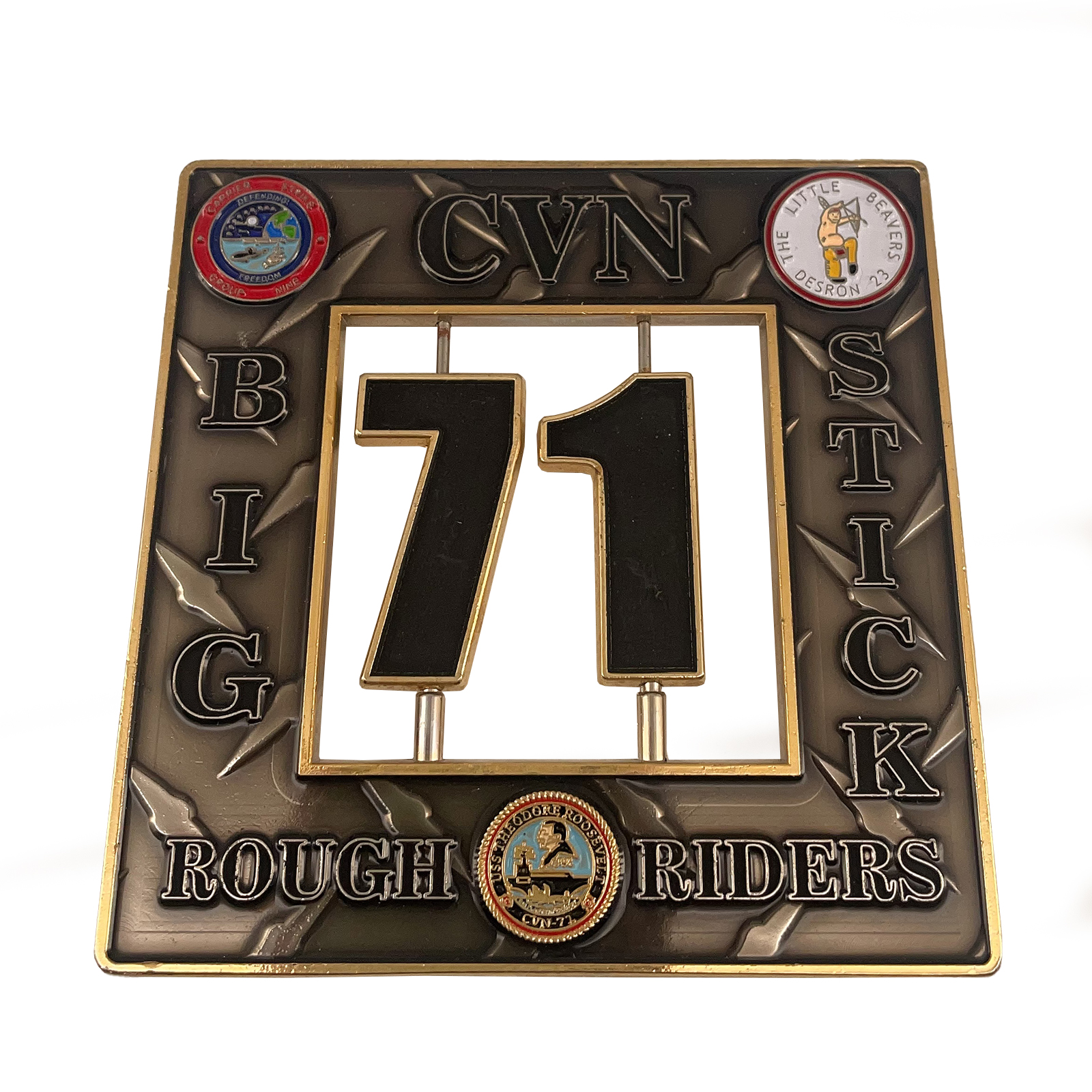
The precinct or unit name (e.g., “5th Precinct” or “SWAT Team”)
Landmarks or symbols of the community (e.g., a local monument, river, or skyline)
The department’s founding date or a significant historical event
For example, a small-town police department in Colorado might feature a mountain range on their coin, while a coastal department might include a lighthouse or海浪. These details make the coin personal to the department and its community.
3. Mottos & Messages of Honor
Many police challenge coins include mottos or messages that reflect the core values of law enforcement. Common mottos include:
“To Protect and Serve” (the most well-known police motto)
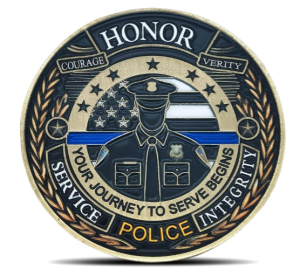
“Honor, Courage, Integrity”
“Service Before Self”
“Never Forgotten” (for fallen officers)
“Brotherhood in Blue”
These mottos serve as a reminder of the officer’s oath and the values they uphold. They are often engraved on the edge of the coin or on the back, making them a constant reminder of why they serve.
4. Finishes & Materials (Quality Matters)
The materials and finishes of police challenge coins are also important, as they reflect the professionalism and respect of the department. High-quality police challenge coins are typically made from durable metals like bronze, brass, or nickel, which are built to last a lifetime. Popular finishes include:
Gold plating (for a premium, formal look)
Silver plating (classic and professional)
Black nickel (modern and sleek)
Antique finishes (for a vintage, historical feel)
Many police challenge coins also feature enamel (soft or hard) to add color and detail to the design. Soft enamel coins have a textured finish, while hard enamel coins have a smooth, polished finish—both are popular choices for police departments.
5. Personalization for Special Occasions
For special occasions (e.g., retirement, years of service, fallen officers), custom police challenge coins are often personalized with additional details, such as:
The officer’s name and rank
Dates of service (e.g., “2003–2023” for a retiree)
A photo of the officer (for fallen comrades or retirees)
A personal message from the department or chief
This personalization makes the coin even more meaningful, turning it into a one-of-a-kind keepsake that the officer (or their family) will cherish forever.
Police Challenge Coins—Honoring the Badge, Preserving the Tradition
Police challenge coins are more than just metal tokens—they are symbols of honor, courage, brotherhood, and the unwavering commitment of law enforcement officers to protect and serve. They honor the badge by recognizing achievement, fostering camaraderie, preserving legacy, and representing the values that make law enforcement such a vital part of our communities.
From the rookie receiving their first coin at the academy to the veteran retiring with a coin that represents decades of service,police challenge coins are a constant reminder of what it means to wear the badge. They are a tradition that connects generations of officers, bridging the past and the present, and ensuring that the legacy of law enforcement service lives on.
Whether you’re a police officer, a department administrator, or someone looking to honor a law enforcement hero,custom police challenge coins are a powerful way to pay tribute to the men and women who risk their lives every day to keep our communities safe. They are a testament to the fact that the badge is more than a symbol—it’s a promise—and the challenge coin is a way to honor that promise, today and always.