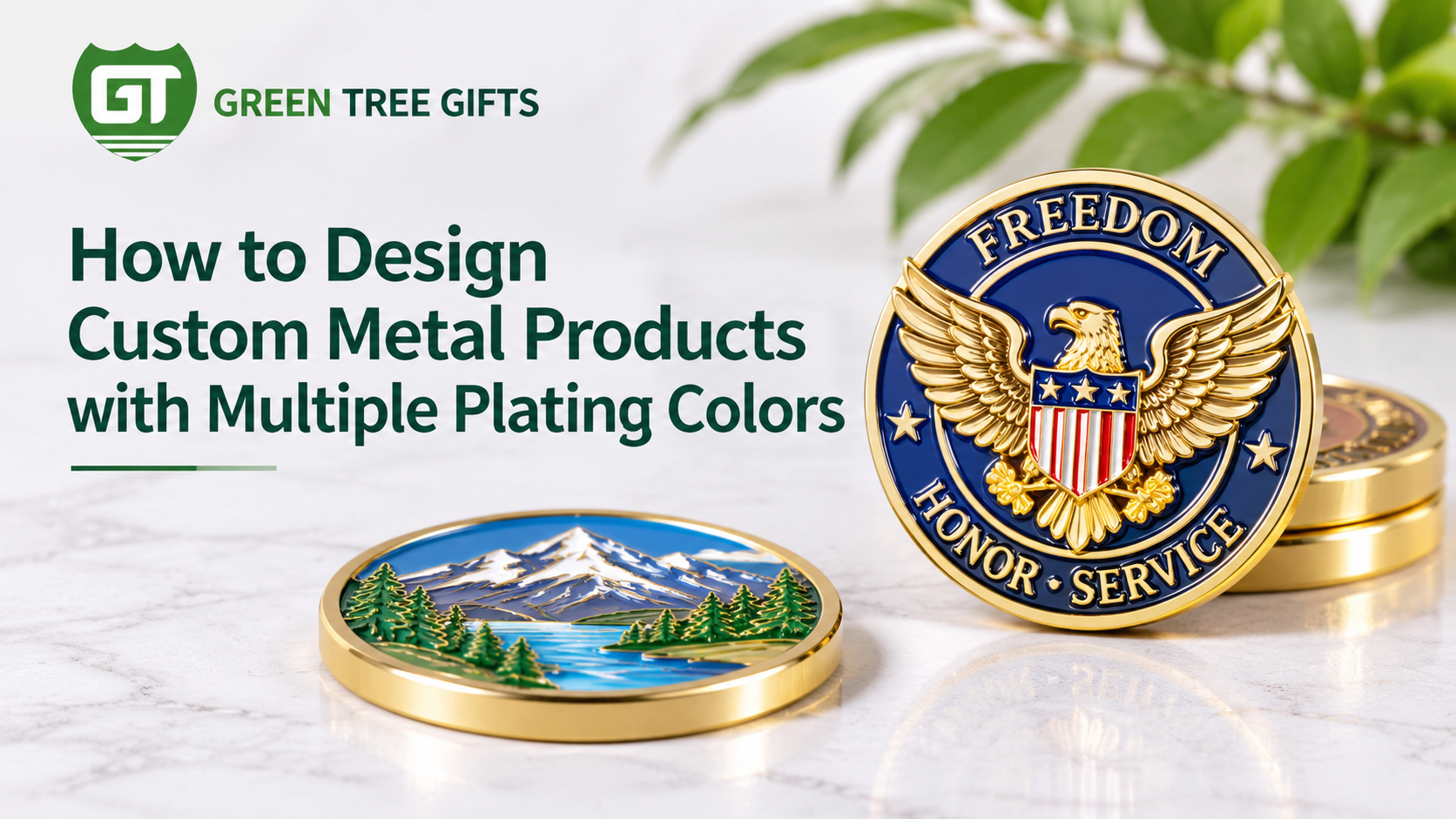
Using multiple plating colors is an effective way to make custom metal products more distinctive. By combining different metallic finishes, manufacturers can highlight logos, separate design elements, and create stronger visual contrast.
For custom challenge coins, lapel pins, medals, badges, and other metal products, successful multi-color plating requires careful design planning and clear production specifications.
Choose Plating Colors That Work Together
The first step is selecting colors that complement each other and match the product’s intended style.
Common combinations include:
| Plating Combination | Visual Effect | Suitable Applications |
|---|---|---|
| Gold + Silver | Classic contrast | Awards, commemorative coins |
| Gold + Black Nickel | Bold and premium | Challenge coins, badges |
| Silver + Black Nickel | Modern and understated | Corporate pins, branded merchandise |
| Copper + Gold | Warm metallic appearance | Vintage-style collectibles |
| Gold + Antique Silver | Aged, decorative look | Commemorative medals and coins |
Not every design needs several colors. Two well-matched finishes can often create a cleaner result than using too many plating options.
Use Different Plating Colors to Highlight Design Details
Multi-color plating works best when each finish has a clear purpose.
For example:
- Use gold plating on raised logos or lettering to make them stand out.
- Apply silver plating to secondary design elements for contrast.
- Use black nickel in recessed areas to create a darker, more defined appearance.
- Combine different finishes to distinguish borders, symbols, and decorative details.
Before production, make sure the artwork clearly identifies which areas require each plating color.
Consider the Manufacturing Process
The feasibility of multi-color plating depends on the product structure, design details, and manufacturing method.
For example, 2D die-struck products typically use defined metal borders to separate design areas, while 3D die-cast products can feature sculpted surfaces and multiple relief levels.
Buyers should discuss the artwork with the manufacturer to determine whether the selected plating combination can be achieved cleanly. Some designs may require additional masking or specialized finishing steps.
Confirm Color and Finish Before Mass Production
Metallic finishes can look different under various lighting conditions and may vary between suppliers.
To reduce misunderstandings, buyers should:
- Specify each plating color and its position.
- Provide reference images or finish samples.
- Confirm whether the finish should be bright, matte, brushed, or antique.
- Approve a physical sample before bulk production.
- Check color consistency across the finished batch.
A digital mockup is useful for communicating the design, but a physical sample is more reliable for evaluating actual plating colors.
FAQs
Can one custom challenge coin have multiple plating colors?
Yes. Different areas of a challenge coin can use different metallic finishes, depending on the design and manufacturing process.
Does multi-color plating increase production costs?
It can. Additional plating colors may require more production steps, masking, or finishing work. The final cost depends on the design and quantity.
Can buyers combine antique and bright plating?
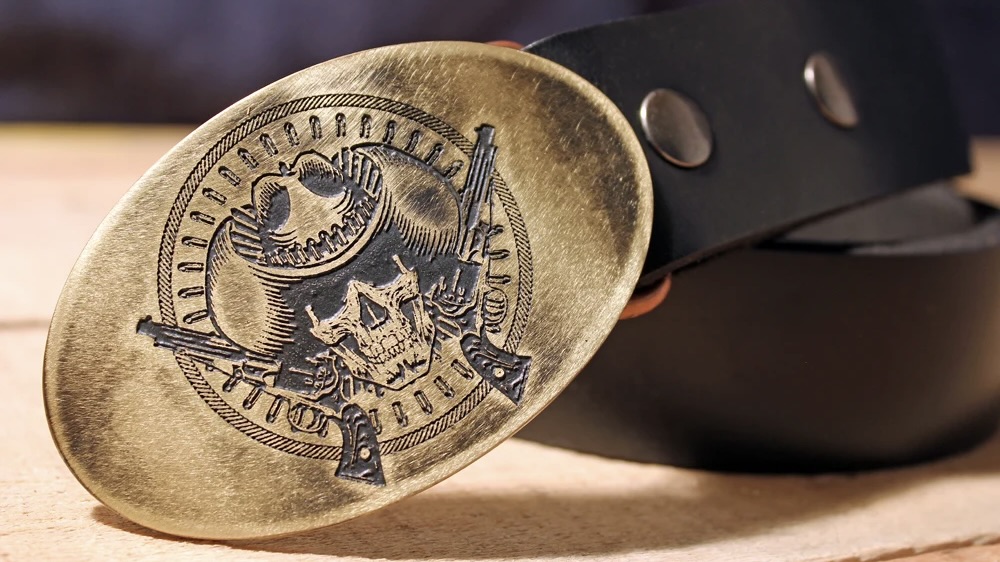
Yes. Combining antique and bright finishes can create visual contrast between raised and recessed areas, subject to the manufacturer’s available processes.