Custom Club Badges: Creating a Symbol Members Are Proud to Wear
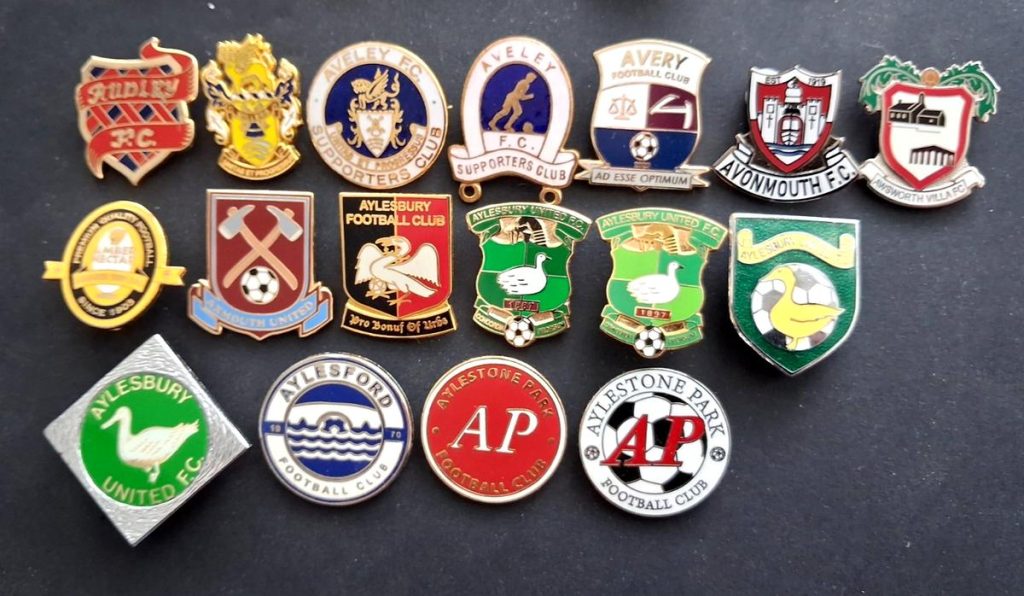
A club badge is more than a small metal accessory. It represents membership, shared interests, group identity and the experiences that bring people together. Whether it is designed for a motorcycle club, sports association, university society, hobby group or community organization, a well-made custom club badge gives members a recognizable symbol they can wear with pride.
For clubs, the most successful badge designs balance visual identity with personal meaning. The emblem should be easy to recognize, reflect the character of the organization and remain attractive enough for members to wear on jackets, shirts, bags or uniforms.
A Badge That Represents More Than Membership
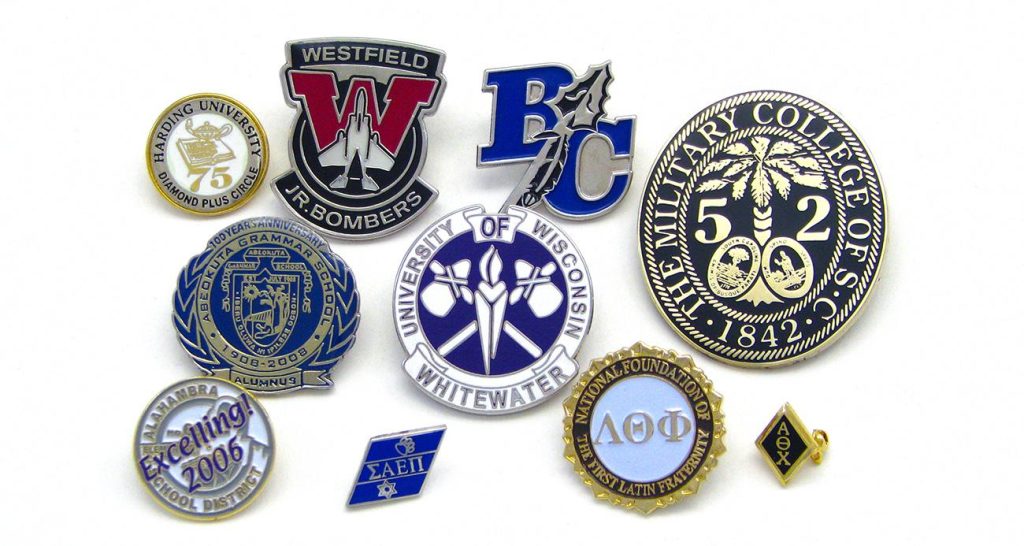
People join clubs for different reasons. Some share a hobby or profession, while others are connected through sports, education, volunteering or a common mission. A custom badge turns that shared connection into a physical symbol.
For established organizations, badges help maintain a consistent identity across generations of members. For newly formed clubs, they can create a sense of belonging from the beginning.
A club badge can represent:
Membership: A visible sign that someone belongs to a particular organization.
Shared values: Symbols, colors and mottos that communicate what the group stands for.
Tradition: An emblem that connects current members with the club’s history.
Achievement: A special design for founding members, long-serving members or award recipients.
Community: A recognizable symbol that helps members identify one another at events and gatherings.
The meaning behind the badge often matters just as much as its appearance.
Choosing a Design That Reflects the Club's Identity
The design process should begin with the club itself. Before selecting a shape or finish, consider what makes the organization distinctive.
A motorcycle club might use a motorcycle, road, wing or shield motif. A sports association may feature a ball, team mascot or championship symbol. A university society could incorporate its initials, founding year or academic symbols.
The design should communicate the club’s identity without becoming unnecessarily complicated.
Several elements deserve attention:
Club name and initials
The full organization name, abbreviation or initials can form the central part of the design. Shorter wording is often easier to read, especially on smaller badges.
Symbols and emblems
A meaningful symbol can make a badge recognizable even from a distance. It might represent the club’s activity, location, history or shared interests.
Colors
Club colors help establish a consistent visual identity. Enamel colors can be selected to match an existing logo, uniform or other branded materials.
Founding year and motto
Dates and short mottos add a sense of history and personality. They are particularly useful for clubs that want to emphasize tradition or commemorate an important milestone.
Shape and layout
Round, shield-shaped, rectangular and custom-cut badges are all possible. The outline should support the design rather than compete with it.
Selecting the Right Badge Style and Material
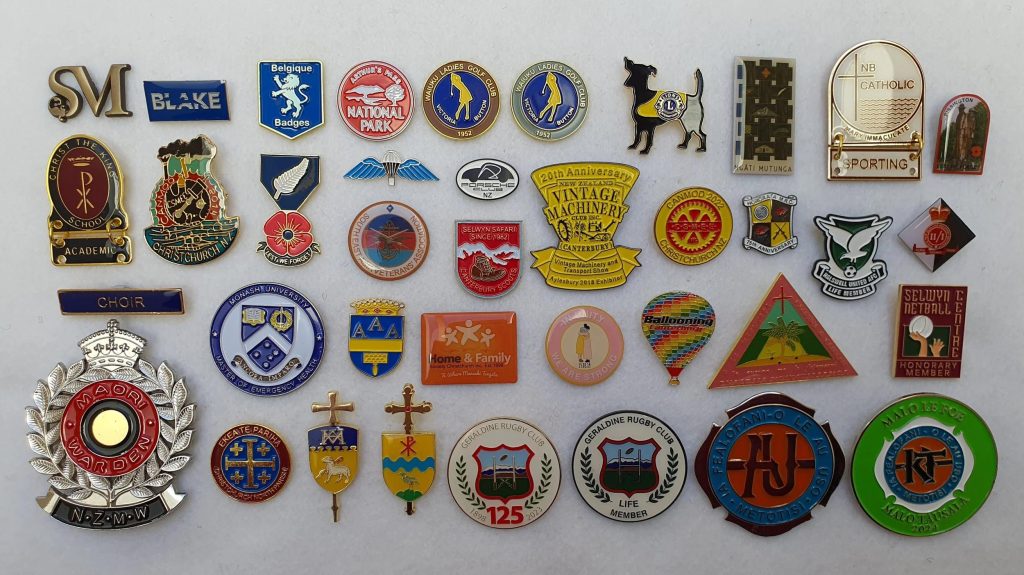
Different club activities call for different badge styles. A badge intended for everyday jacket wear may have different requirements from one designed for a formal uniform or a commemorative event.
Badge style | Design characteristics | Suitable applications |
|---|---|---|
Soft enamel badge | Recessed colored areas with raised metal outlines | Club logos, colorful emblems and everyday membership badges |
Hard enamel badge | Smooth, polished surface with a refined appearance | Formal organizations and premium membership items |
Die-struck metal badge | Raised and recessed metal details without enamel color | Classic emblems, simple logos and traditional club designs |
Printed metal badge | Supports gradients, fine details and complex artwork | Detailed illustrations, photographs and multi-color designs |
Material selection also affects the final appearance and production method.
Iron can be suitable for cost-conscious designs and straightforward metal badges.
Brass offers a solid metal base and works well with detailed die-struck designs.
Zinc alloy supports more complex shapes and dimensional details, making it useful for custom designs with sculpted elements.
The best option depends on the artwork, desired finish, badge size and intended use.
Making the Badge Comfortable and Practical to Wear
A club badge should look good, but it also needs to work in everyday situations. Attachment methods, weight and size all influence the wearing experience.
Common attachment options include:
Butterfly clutch: A practical choice for lightweight badges worn on shirts, jackets and other garments.
Rubber clutch: Provides a comfortable grip and is commonly used for everyday lapel pins.
Magnetic backing: Avoids piercing fabric and can be useful for certain clothing applications.
Safety pin backing: Offers a familiar attachment method for larger badges or fabric-based accessories.
For heavier or larger designs, the backing should be selected carefully to help keep the badge stable. The intended clothing and wearing frequency should be considered before production begins.
Creating Different Badges for Different Membership Levels
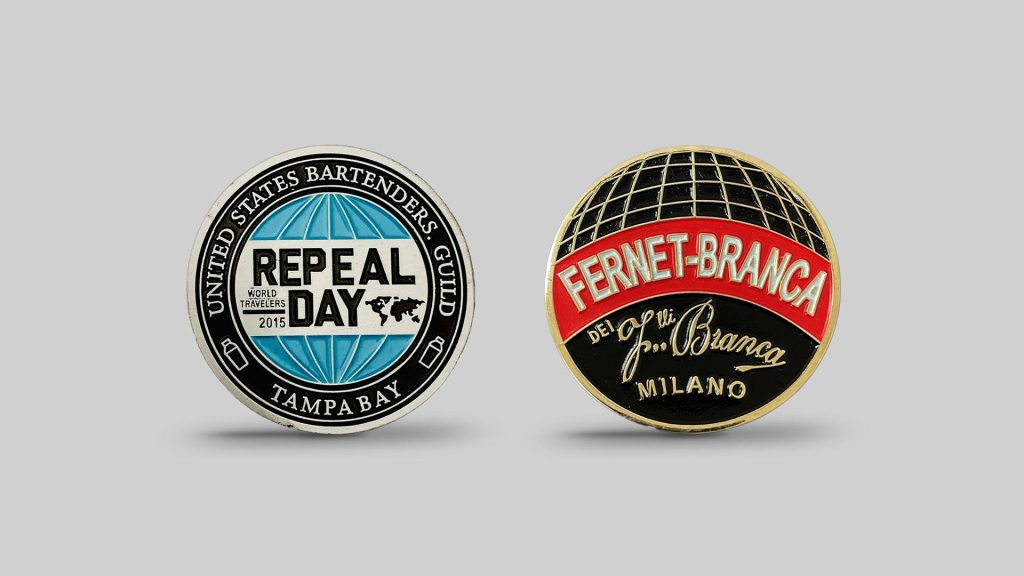
Some clubs use one standard badge for all members. Others create several versions to recognize different roles, achievements or periods of membership.
For example, a club may produce:
Standard member badges for regular members.
Founding member badges to recognize the people who established the organization.
Committee or officer badges to identify leadership roles.
Anniversary badges to celebrate important club milestones.
Honorary member badges to recognize special contributions.
These designs can share the same overall visual identity while using different colors, text, finishes or small design elements to distinguish each category.
A consistent design system helps the badges feel like part of one collection rather than unrelated products.
From Artwork to Finished Custom Club Badges
A reliable production process starts with clear artwork and a detailed specification. Before manufacturing, the club should confirm the design, dimensions, colors, metal finish and attachment method.
The general production process may include:
Artwork preparation
The original logo or design is reviewed and adjusted for badge production. Small text, narrow lines and intricate details may need to be simplified to remain clear at the selected size.
Mold or tooling preparation
For die-struck or die-cast designs, the production tooling is prepared according to the approved artwork and required dimensions.
Metal forming
The metal base is produced through the appropriate process, such as stamping or die casting, depending on the selected material and design.
Coloring and finishing
Enamel or printed colors are applied where required. The badge may then receive a gold, silver, nickel or other specified metal finish.
Attachment and inspection
The backing is attached, and the finished badges are checked for appearance, color consistency, surface quality and attachment security.
Approving a production sample before a full order can help the club confirm that the final badge matches its expectations.
What to Prepare Before Ordering Custom Club Badges
Providing clear information at the beginning makes the design and production process more efficient.
Information | What to confirm |
|---|---|
Club artwork | Logo, emblem, reference image or design concept |
Badge dimensions | Width, height and preferred thickness |
Shape | Round, shield, rectangular or custom outline |
Material | Iron, brass, zinc alloy or another suitable option |
Colors and finish | Enamel colors, metal plating and surface treatment |
Attachment | Butterfly clutch, rubber clutch, magnet or other backing |
Quantity | Estimated order volume |
Intended use | Everyday membership, uniforms, events or commemorative purposes |
If the club does not have finalized artwork, it can start with a logo, sketch or reference image. The manufacturer can then review whether the design needs adjustments for production.
Planning custom badges for your club or organization? Contact Green Tree Gifts to discuss your design and request a custom quote.