Custom Car Badges: Materials, Finishes, Designs, and Manufacturing
for Automotive Emblems
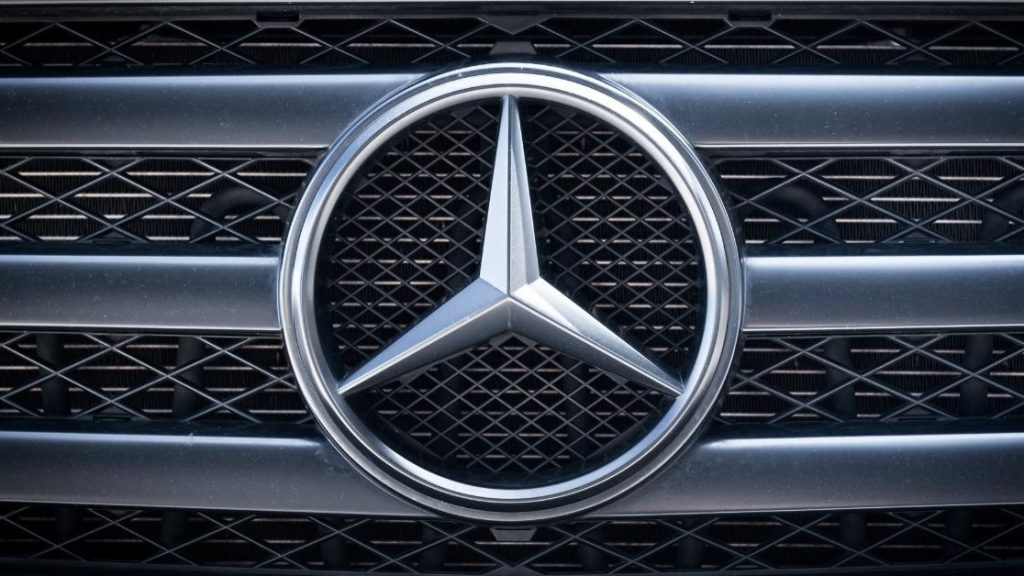
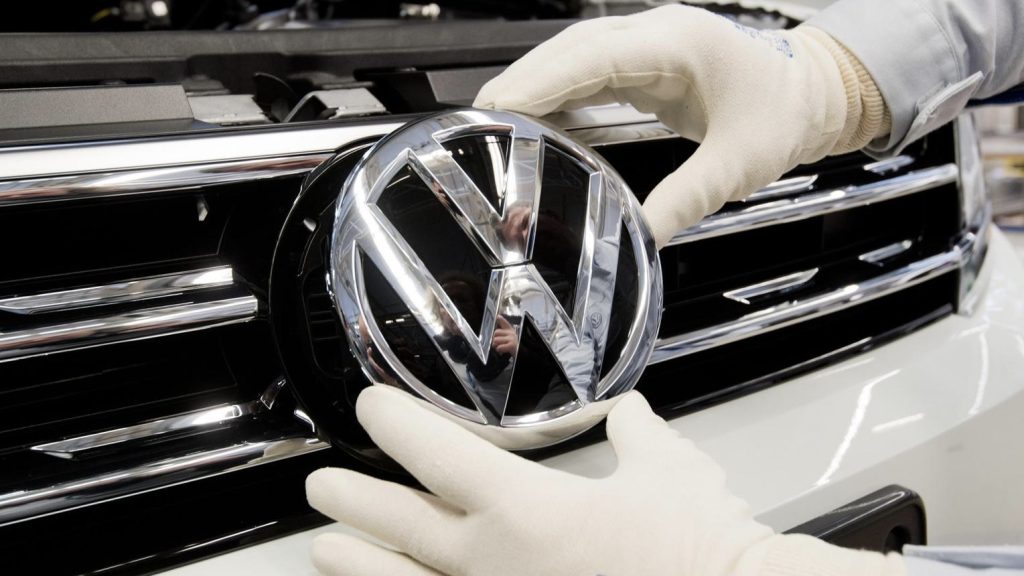
Automotive badges are an essential part of a vehicle’s visual identity. From the emblem displayed on the front grille to the logo mounted on the trunk, hood, or wheel center, these small components help distinguish vehicle brands and models. Their appearance may be simple, but producing a high-quality car badge requires careful attention to shape, material, surface finish, color, and dimensional details.
Custom car badges are available in various designs, including circular emblems, oval logos, shield-shaped symbols, and other brand-specific outlines. Depending on the application, they can feature polished metal surfaces, colored enamel, raised lettering, recessed backgrounds, and three-dimensional details. This guide explores the main types of automotive emblems, commonly used materials, popular finishes, and manufacturing considerations for custom car badge projects.
What Are Custom Car Badges?
Custom car badges, also known as automotive emblems, are decorative and identification components designed for vehicles. They typically display a manufacturer’s logo, vehicle brand, model name, series designation, or other identifying graphic. These emblems are commonly installed on exterior or interior vehicle surfaces.
Unlike printed labels or temporary stickers, metal car badges provide a more substantial appearance through their material, surface texture, and dimensional construction. A raised logo, polished border, or recessed background can create visual depth and make the emblem more noticeable.
The design of a car badge is closely connected to the vehicle’s overall appearance. Some manufacturers use circular emblems with a central symbol, while others prefer shield-shaped logos, lettering-based designs, or distinctive geometric outlines. The combination of shape, color, and finish helps establish a recognizable visual identity.
Custom automotive emblems can also be developed for vehicle customization projects, replacement applications, special editions, and automotive accessories. Depending on the intended use, buyers may require a design that follows an existing reference or a completely new emblem created for a particular project.
When planning a custom car badge, the first step is to define its purpose and installation location. A badge designed for a front grille may have different dimensional and attachment requirements from one intended for a trunk panel, wheel center, or interior trim.
Different Types of Automotive Emblems
Automotive emblems can be classified according to their position and function. Each type has different requirements for size, shape, construction, and attachment.
| Emblem Type | Common Location | Main Design Features |
|---|---|---|
| Front Grille Emblems | Front grille or vehicle nose | Circular, oval, or shield-shaped logos; prominent central symbols |
| Rear and Trunk Emblems | Trunk lid or tailgate | Brand logos, model names, series lettering |
| Hood Emblems | Hood or bonnet | Decorative symbols, raised logos, distinctive outlines |
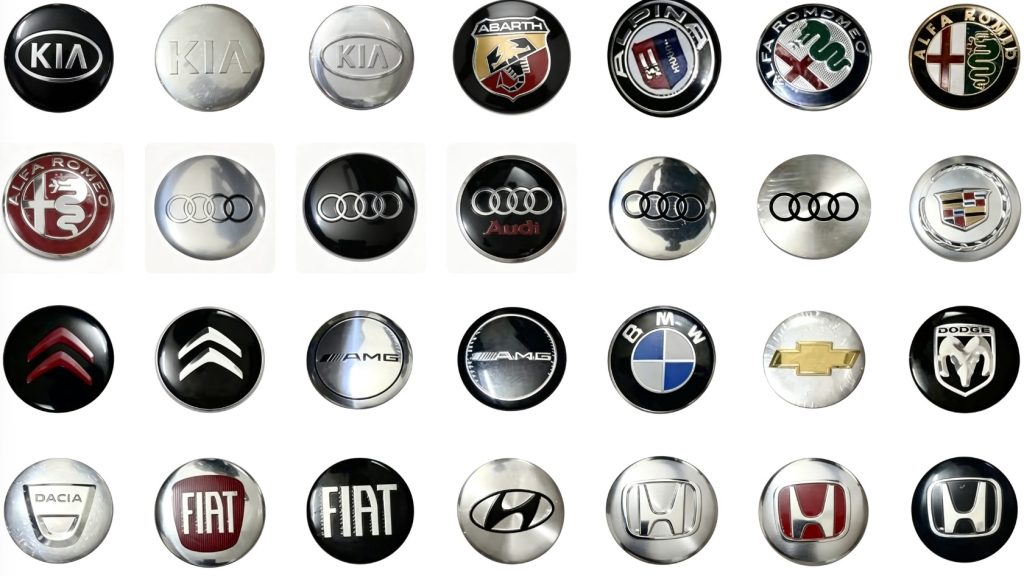
| Wheel Center Emblems | Center of wheels | Compact circular designs, brand symbols, precise dimensions |
| Interior Emblems | Dashboard, steering wheel, door panels | Smaller logos, decorative metal details, coordinated finishes |
Front grille emblems are among the most recognizable automotive badges. Positioned at the front of a vehicle, they are often designed to be easily visible. Raised logos and contrasting backgrounds help distinguish the central symbol.
Rear and trunk emblems commonly display the manufacturer, model, or engine designation. Lettering-based designs and individual metal characters are frequently used for these applications.
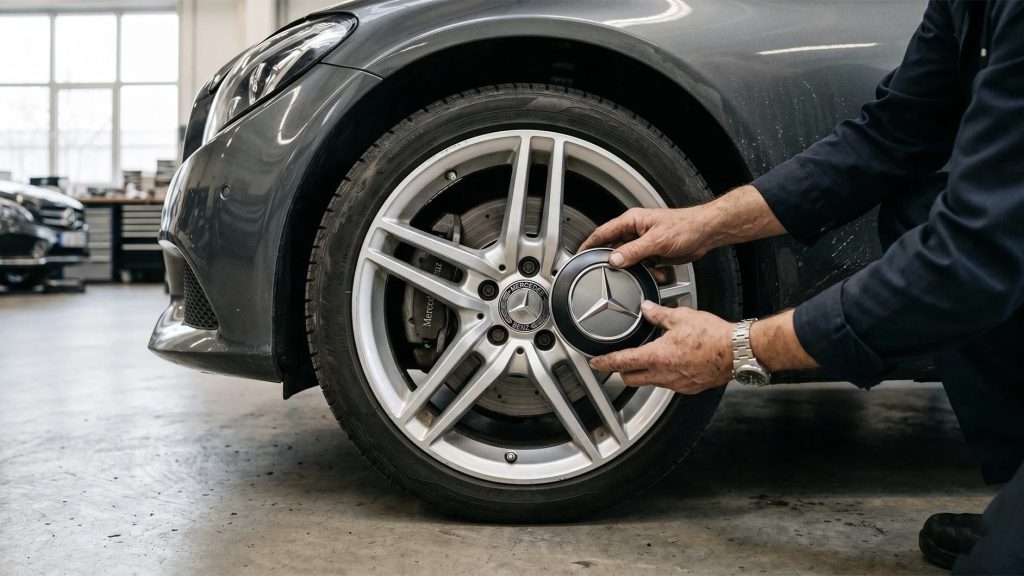
Wheel center emblems require particular attention to dimensions and compatibility. Their outer diameter and mounting structure should match the intended center cap.
Interior emblems are generally smaller and designed to complement dashboard, steering wheel, or door trim materials. Their appearance and attachment method should suit the surrounding interior surfaces.
Although these categories share similar design principles, they should not automatically use the same construction. The installation position determines the available space, attachment method, and environmental conditions the finished badge may encounter.
Materials Used in Custom Car Badges
Material selection affects an automotive emblem’s appearance, weight, durability, and manufacturing possibilities. Different metals offer different characteristics, so the appropriate choice depends on the design and intended application.
| Material | Main Characteristics | Potential Applications |
|---|---|---|
| Zinc Alloy | Suitable for complex shapes, raised details, and three-dimensional designs | Decorative emblems and sculpted logos |
| Brass | Solid metal appearance; supports various surface treatments | Premium-style badges and detailed metal designs |
| Stainless Steel | Strength and corrosion resistance | Selected exterior automotive applications |
| Aluminum | Lightweight and suitable for certain decorative designs | Lightweight identification and decorative components |
| Iron | Suitable for selected metal badge constructions | Projects with compatible design and finishing requirements |
Zinc alloy is a popular option for custom emblems with complex outlines and dimensional details. Its casting characteristics allow manufacturers to create raised logos, recessed backgrounds, and sculpted shapes.
Brass provides a solid metal appearance and supports polished or antique finishes. It can be considered for designs that require clearly defined details and a distinctive metallic look.
Stainless steel is valued for its strength and corrosion resistance, making it worth considering for selected applications exposed to moisture and environmental conditions. Aluminum offers a lighter alternative, while iron may suit certain simpler metal badge constructions.
No single material is ideal for every automotive emblem. Buyers should consider dimensions, thickness, design complexity, mounting position, expected exposure, and budget before making a decision.
Popular Shapes and Design Styles
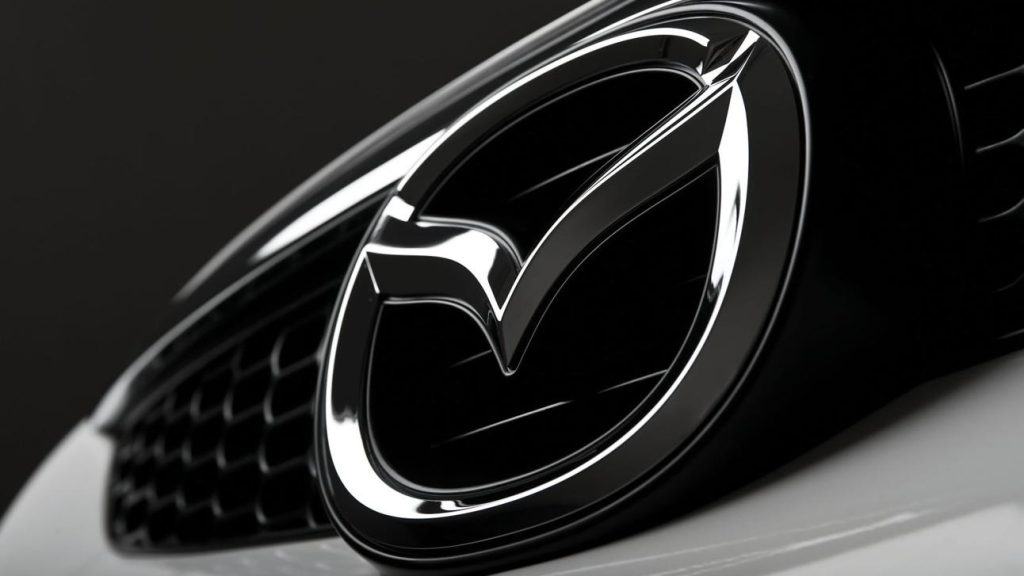
The shape of an automotive emblem is one of its most recognizable features. Circular badges create a balanced and symmetrical appearance, while oval designs provide more horizontal space for lettering or central symbols. Shield-shaped emblems have a more distinctive outline, and custom-cut designs can follow the shape of a particular logo.
| Shape | Design Characteristics | Common Uses |
|---|---|---|
| Circular | Symmetrical, balanced, suitable for central logos | Front emblems and wheel center caps |
| Oval | Wider layout with space for lettering | Brand and model identification |
| Shield | Distinctive outline with a central design area | Brand symbols and decorative emblems |
| Rectangular | Structured layout for text and graphics | Model names and identification plates |
| Custom Shape | Follows a specific logo or graphic | Unique automotive branding projects |
Three-dimensional designs are another popular option. Raised logos, layered metal elements, and recessed backgrounds create depth and help important details stand out.
When preparing artwork, buyers should consider the relationship between the logo, outer border, and available space. Fine lines and small lettering may need adjustments to remain clear at the finished size. A balanced design should preserve the most recognizable elements without overcrowding the badge.
Metal Finishes and Surface Treatments
Surface finishing has a major influence on the final appearance of a car badge. Even when two emblems share the same shape and artwork, different finishes can produce noticeably different visual effects.
| Finish | Appearance | Design Effect |
|---|---|---|
| Polished Silver | Bright and reflective | Clean, modern metallic look |
| Chrome-Look | Highly reflective silver appearance | Emphasizes smooth contours and raised details |
| Gold | Warm metallic tone | Adds a distinctive decorative effect |
| Black Nickel | Dark metallic surface | Creates contrast with lighter details |
| Brushed Metal | Directional surface texture | Produces a restrained, less reflective appearance |
| Antique Finish | Darkened recessed areas | Highlights raised details and creates visual depth |
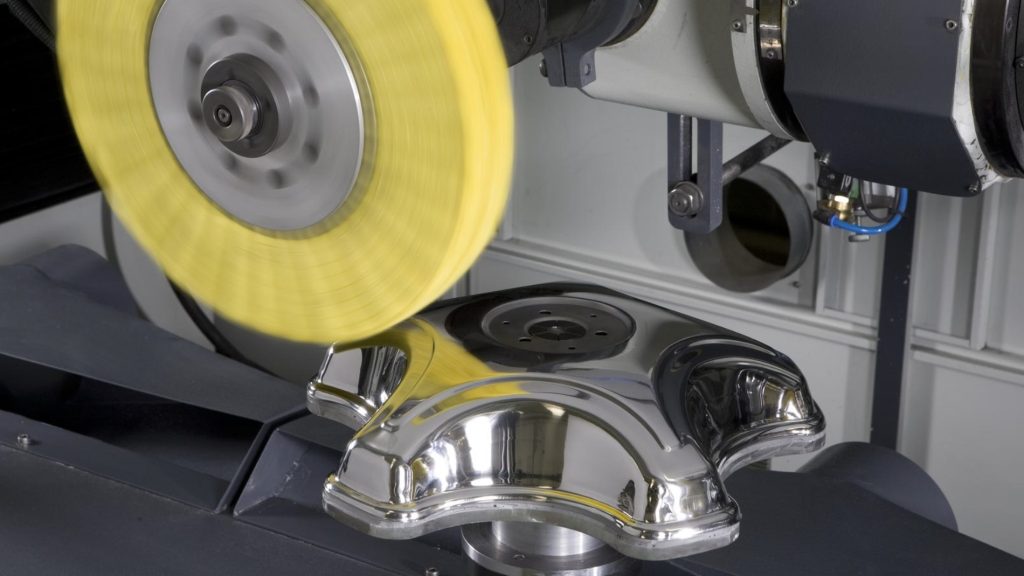
Polished silver and chrome-look finishes are often associated with contemporary automotive styling. Gold and black nickel provide alternative appearances, while brushed metal offers a more understated texture.
Antique gold and silver finishes create contrast between raised surfaces and recessed areas. They can be useful for designs that require more visible texture.
The choice of finish should complement the emblem’s artwork and intended location. Buyers should review finish references under different lighting conditions before approving the final specification.
3D Relief, Logo Details, and Color Options
A well-designed automotive emblem often combines raised metal structures, recessed backgrounds, and carefully applied colors. These elements help turn a simple logo into a more dimensional product.
Three-dimensional relief is useful for logos with distinctive shapes or layered symbols. Raised sections emphasize lettering, borders, and central graphics, while recessed areas separate different parts of the design.
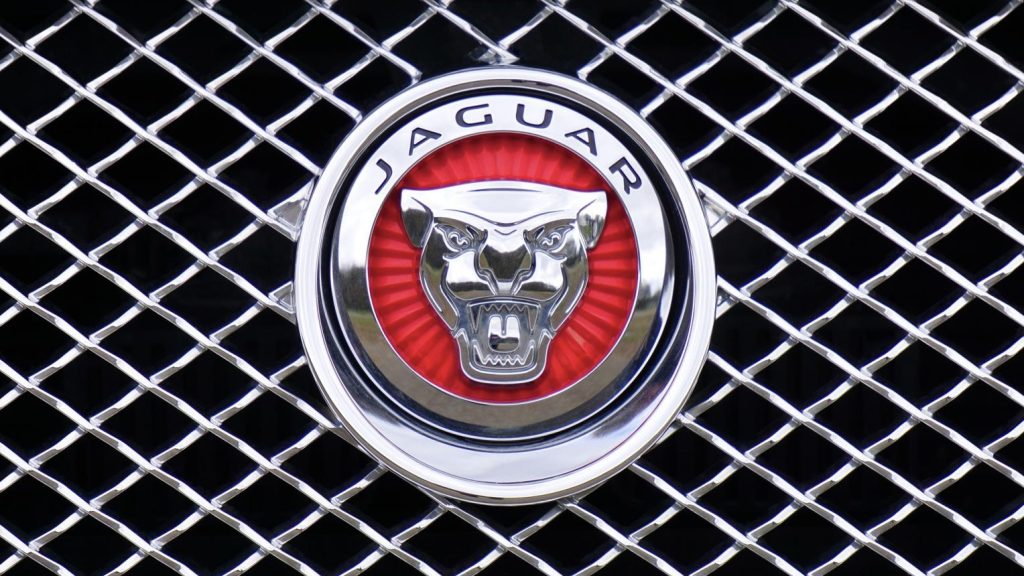
Some automotive badges use a single metallic finish, while others combine metal with enamel colors. Red, blue, black, and white can be applied to selected sections to reproduce a particular visual identity. Metal outlines help separate colored areas and create a clear structure.
Lettering and fine details also require attention. Small characters, narrow spaces, and intricate symbols can become difficult to reproduce when the badge is reduced to its final dimensions. Adjustments to line thickness, spacing, and relief depth may be necessary.
Before production, buyers should review the artwork at approximately its intended physical size rather than relying only on a large digital image. This helps identify crowded areas and confirm that the main logo remains recognizable.
Automotive Applications and Installation Methods
Automotive emblems are installed in different positions, and each location presents specific requirements. A badge designed for a front grille may need a different attachment structure from one mounted on a trunk panel or wheel center cap.
Adhesive backing is one possible option for exterior body panels. The adhesive must be suitable for the mounting surface and intended environmental conditions. Surface preparation and contact area can influence how securely the badge is attached.
Mounting studs and clips may be used when the vehicle or mounting component is designed to accommodate mechanical fastening. Buyers should confirm the required spacing, dimensions, and attachment configuration before manufacturing.
Wheel center emblems require particular attention to compatibility. Their outer diameter and internal structure should correspond to the intended center cap. A visually correct logo alone does not guarantee that the finished component will fit.
Interior badges may use adhesive backing or other attachment methods suited to dashboard and trim materials. Their dimensions should match the available surface area and surrounding interior style.
For replacement projects, buyers should provide accurate measurements, photographs, and mounting references. Compatibility should be confirmed before ordering a production quantity.
Custom Car Badge Manufacturing Process
Custom automotive badge production begins with artwork preparation and product specifications. Buyers typically provide a logo, drawing, reference image, or design concept, together with information about dimensions, material, finish, color, and intended application.
The manufacturer reviews the artwork and evaluates its suitability for production. Complex outlines, fine lettering, small colored sections, and three-dimensional details may require adjustments. This stage is important because the design needs to work as a physical metal product, not simply as a digital image.
After the artwork is approved, a suitable manufacturing method is selected. Depending on the material and design, production may involve die casting, stamping, die striking, or other metal-forming processes.
The metal components then undergo the required surface treatments, which may include polishing, plating, or brushing. For designs with enamel, the specified colors are applied to their designated sections.
The finished badges are inspected according to the agreed requirements. Common inspection points include dimensions, surface appearance, logo details, color placement, lettering, and noticeable defects. For automotive applications, attachment structures and dimensional compatibility should also be checked.
Before placing a full order, buyers should confirm the artwork, finish, dimensions, and installation requirements. A digital proof or sample, when available, can help identify potential issues before production proceeds.
How to Choose a Reliable Car Badge Manufacturer
Choosing a suitable manufacturer involves more than comparing quotations. Buyers should evaluate the supplier’s understanding of metal products, available production options, finishing capabilities, and communication throughout the ordering process.
A manufacturer should be able to review the supplied artwork and explain whether the selected material and production method are appropriate. This is especially important for designs involving complex logos, multiple finishes, small lettering, or three-dimensional relief.
Buyers should also provide clear information about the intended application. A grille emblem, trunk badge, and wheel center cap may require different dimensions and mounting structures. Discussing these details early helps reduce the risk of producing a badge that looks correct but does not fit its intended position.
Quality control is another important consideration. Buyers can ask how dimensions, surface finishes, color placement, and other visual details are checked before shipment. For larger projects, confirming inspection requirements in advance helps establish consistent expectations.
Green Tree Gifts is a China-based manufacturer specializing in custom challenge coins, lapel pins, medals, badges, patches, belt buckles and other metal promotional products. For suitable custom metal emblem projects, buyers can provide reference images, artwork, dimensions, material preferences, and application details for a product review and quotation discussion.
Whether you are developing a custom automotive logo, a decorative metal emblem, or a vehicle accessory, careful attention to design, materials, finishing, and installation requirements helps create a product that meets the project’s visual and practical needs.