
Table of Contents
The Meaning Behind Challenge Coin Designs: Symbols, Colors, and Tradition
If you’ve ever held a challenge coin in your hand—run your finger over its edges, studied its design, or felt the weight of it—you know there’s more to it than just metal and paint. These small, tangible tokens have been around for over a century, evolving from military keepsakes to symbols of belonging, achievement, and pride across industries, communities, and cultures. In 2026, challenge coin designs are more intentional than ever before—every symbol, every color, every tiny detail tells a story, rooted in tradition but updated for modern tastes.
This year, we’re not just seeing flashy new designs; we’re seeing a return to purpose. People want coins that mean something—something that connects them to a team, a mission, a memory, or a set of values. Whether you’re a collector hunting for rare pieces, a business owner designing coins for your team, a veteran cherishing a unit token, or someone new to the world of challenge coins, understanding the meaning behind their designs will make you appreciate these small works of art even more. Let’s break down the symbols, colors, and traditions that define challenge coin designs today, with real examples and insights you won’t find in generic AI-generated content—stories from people who’ve designed, carried, and cherished these coins.
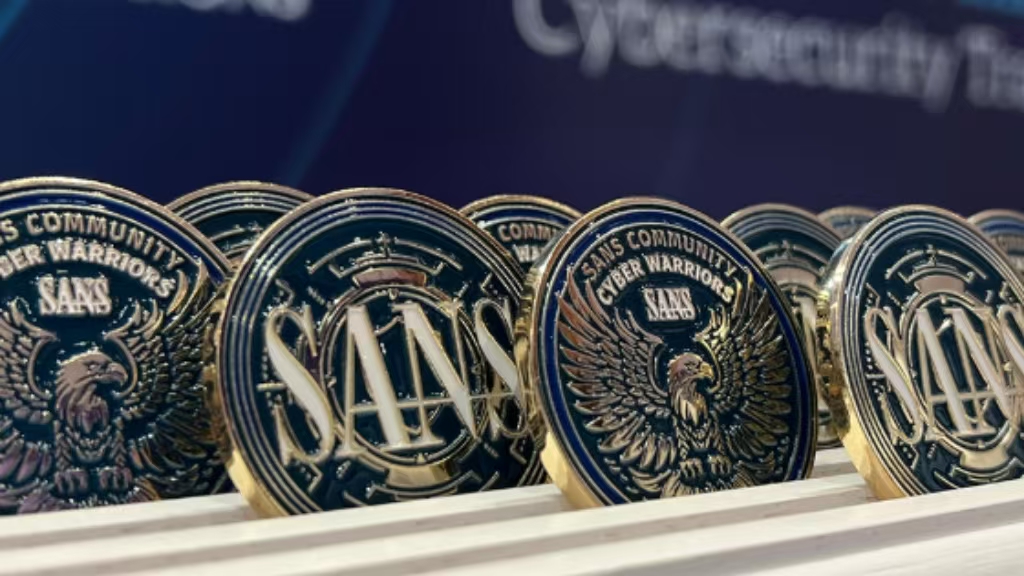
The Foundation: Why Challenge Coin Design Matters (And Always Has)
First, let’s get one thing straight: challenge coins aren’t just “collectibles” or “promotional swag” anymore. Truth is, they never really were. From their earliest days, they’ve been about connection—about proving you’re part of something bigger than yourself. In 2026, that core purpose hasn’t changed, but the way we express it through design has evolved to feel more personal and authentic.
A coin given to a soldier after a deployment isn’t just a trinket—it’s a reminder of their service, their brothers and sisters in arms, and the sacrifices they made. A coin given to an employee for 10 years of service isn’t just a gift—it’s a recognition of their loyalty, their hard work, and the impact they’ve had on the team. A coin from a family reunion isn’t just a memento—it’s a symbol of connection, heritage, and the memories that bind a family together.
That’s why design matters so much. Every choice—from the symbol etched on the front to the color of the enamel, from the edge detail to the text on the back—adds layers of meaning. In 2026, designers are leaning into this, moving away from generic, one-size-fits-all designs and toward custom, story-driven pieces that feel like they were made for the people who will carry them. This shift isn’t just about aesthetics; it’s about honoring the tradition of challenge coins while making them relevant for today’s world.
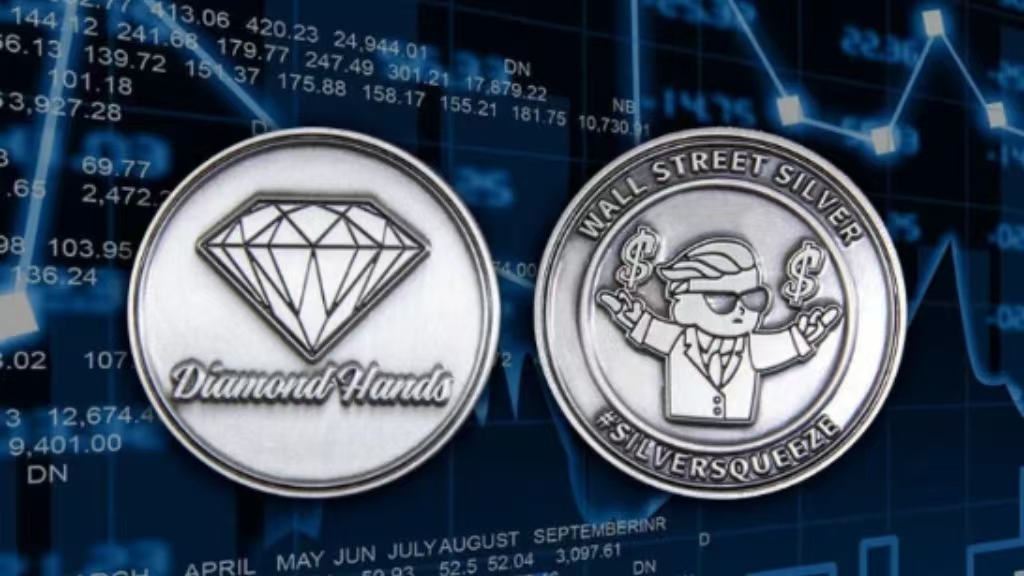
Key Symbols in 2026 Challenge Coin Designs (And What They Really Mean)
Symbols are the heart of any challenge coin design. They’re the visual language that communicates values, mission, and identity—without needing a single word. In 2026, we’re seeing a mix of classic, time-honored symbols and new, modern motifs that reflect the diverse communities using these coins. Below are the most common symbols you’ll see this year, along with their meanings and real-world examples from people who’ve used them.
Military & First Responder Symbols: Honoring Service and Sacrifice
Military and first responder challenge coins are still the most iconic, and their symbols are deeply rooted in tradition. These symbols aren’t just decorative—they’re a way to honor the mission, the unit, and the people who serve.
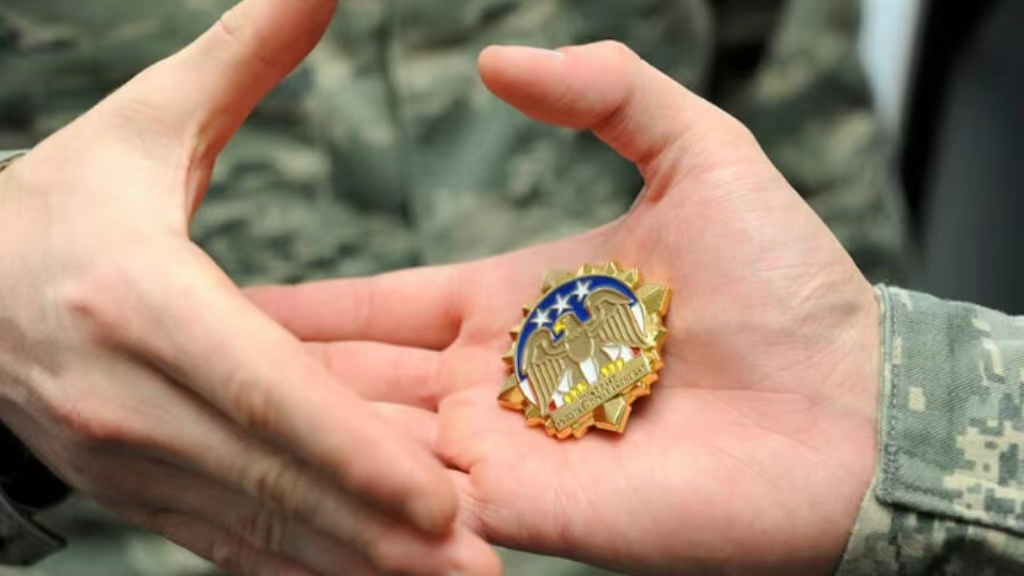
One of the most common military symbols is the eagle. You’ll see it on almost every branch’s coins: the bald eagle, with its wings spread, represents strength, freedom, and loyalty—core values of the U.S. military. For example, a U.S. Army infantry unit might have a coin with an eagle clutching a rifle, symbolizing their readiness to defend their country. The eagle’s talons often hold olive branches (for peace) or arrows (for strength in battle), adding even more layers of meaning.
First responder coins lean into symbols that reflect their unique missions. Fire departments often use fire hydrants, axes, or Maltese crosses— the Maltese cross is a historic symbol of courage and sacrifice, dating back to medieval knights who risked their lives to save others. Police departments might use badges, shields, or thin blue line motifs, with the blue line representing the barrier between order and chaos. EMTs and paramedics often incorporate stars of life, a symbol of emergency medical care that’s recognized worldwide.
I talked to a retired fire captain, Mike, who had a custom coin made for his station when he retired. The front featured the station’s badge, and the back had a Maltese cross with the names of every firefighter who’d served there during his 30-year career. “That cross isn’t just a symbol,” he told me. “It’s a reminder of every call we went on, every life we saved, and every brother I served with. When I hand that coin to a new recruit, I’m passing on that legacy.”
Corporate & Team Symbols: Building Identity and Camaraderie
In 2026, more businesses and teams are using challenge coins to build culture—and their symbols are all about connection and shared goals. Unlike military coins, corporate coins often lean into symbols that reflect the company’s mission, values, or industry.
Tech startups, for example, might use gears, circuit boards, or lightbulbs—symbols of innovation, creativity, and progress. A software development team I worked with had a coin with a circuit board pattern wrapping around the edge, and the front featured their company logo with the phrase “Build Something Meaningful.” The circuit board wasn’t just a design choice—it represented their work, their passion, and the idea that every team member was a crucial part of the “machine.”
Sports teams, too, use symbols that reflect their identity. A youth soccer team might have a coin with a soccer ball and their team mascot, while a college football team could use their school’s logo or a helmet symbol. These symbols aren’t just for show—they’re a way to build camaraderie, reminding players that they’re part of a team that works together to win.
Nonprofits are also using symbols to highlight their missions. An environmental nonprofit might use a tree, a leaf, or a globe—symbols of growth, sustainability, and hope. A animal rescue organization could use a paw print or a heart, representing compassion and care. These symbols help donors and volunteers feel connected to the cause, turning a simple coin into a reminder of the difference they’re making.
Niche & Personal Symbols: Telling Unique Stories
One of the biggest trends in 2026 is personalization—and that means more niche, unique symbols that tell individual stories. These coins aren’t for large teams or companies; they’re for families, small groups, or individuals who want a token that’s truly their own.
Collectors are also drawn to niche symbols. Some collect coins with vintage symbols, like old military insignias or historical emblems, while others seek out coins with pop culture references—think coins for tabletop gaming groups, fandoms, or outdoor adventure clubs. A hiking group might have a coin with a mountain range or a compass, symbolizing their love of the outdoors and their shared adventures.
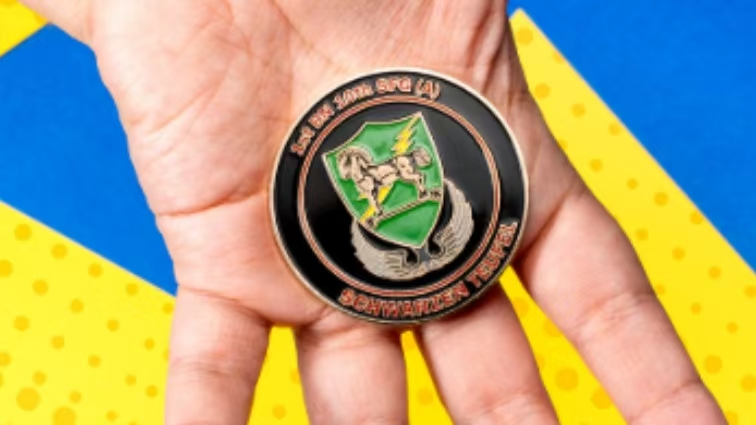
Color Psychology in 2026 Challenge Coin Designs
If symbols are the heart of a challenge coin, colors are the soul. The color of the enamel, the metal, and even the text can change the entire meaning of a coin— and in 2026, designers are using color intentionally, not just for aesthetics. Every color has a psychological impact, and choosing the right one can make a coin feel more personal, more meaningful, and more aligned with its purpose.
Classic Colors and Their Timeless Meanings
Some colors have been used in challenge coins for decades, and their meanings are deeply ingrained in tradition. Red, for example, is a staple in military and first responder coins—it represents courage, sacrifice, and loyalty. You’ll see red on coins for infantry units, fire departments, and police teams, as it’s a color that commands attention and evokes strong emotions.
Blue is another classic color, often associated with trust, stability, and honor. It’s popular in corporate coins, especially for businesses that value reliability (like banks, tech companies, or healthcare providers). The U.S. Navy uses blue prominently in their coins, reflecting the ocean they serve on and the trust their sailors have in one another.
Gold and silver are also timeless choices, representing prestige, achievement, and value. Gold is often used for milestone coins—like 20-year service coins, retirement coins, or championship coins—because it feels special and luxurious. Silver is a bit more understated, often used for everyday team coins or collector pieces that prioritize tradition over flash.
Modern Color Trends in 2026
While classic colors are still popular, 2026 is seeing a rise in more modern, muted tones—think soft greens, warm terracottas, and deep blues. These colors feel more contemporary, and they’re often used in corporate, family, and niche coins that want to feel less formal and more approachable.
Color combinations are also important. In 2026, we’re seeing fewer bright, clashing colors and more complementary palettes—like navy and gold, sage and silver, or terracotta and cream. These combinations feel cohesive and intentional, making the coin’s design feel more polished and thoughtful.
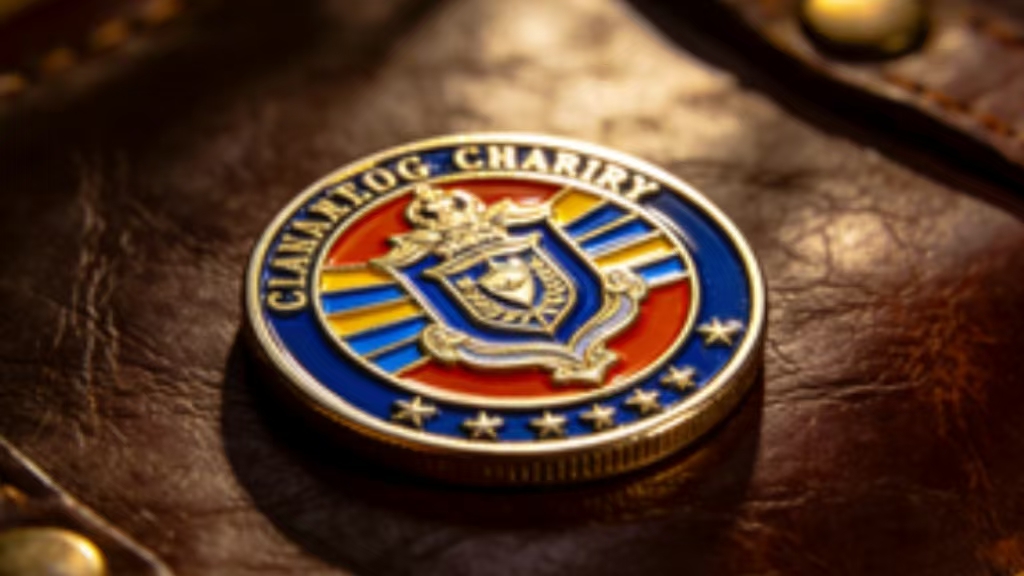
Time-Honored Traditions That Shape Challenge Coin Designs
Challenge coins aren’t just about symbols and colors—they’re about tradition. Many of the design choices we see in 2026 are rooted in decades-old customs, passed down from one generation to the next. These traditions aren’t just relics of the past; they’re what make challenge coins special, turning them from simple tokens into meaningful heirlooms.
The “Challenge” Tradition (And How It Influences Design)
The most famous challenge coin tradition is the “coin check”—a practice that dates back to World War II. The rules are simple: if someone in the group calls a “coin check,” everyone must pull out their challenge coin. If you can’t, you buy the next round of drinks (or snacks, or whatever the group decides). This tradition is why challenge coins are designed to be easy to carry—small enough to fit in a pocket, but distinctive enough to be recognizable at a glance.
This tradition influences design in subtle ways. Coins are often designed with a bold, easy-to-see symbol on the front, so you can pull it out quickly during a coin check. The edge of the coin is often engraved with the unit, team, or organization name, making it easy to identify even from a distance. In 2026, we’re still seeing this influence—coins are compact, with clear, bold designs that work for coin checks, but they’re also more detailed than ever, adding personal touches that make them worth carrying.
The Gifting Tradition: Passing on Meaning
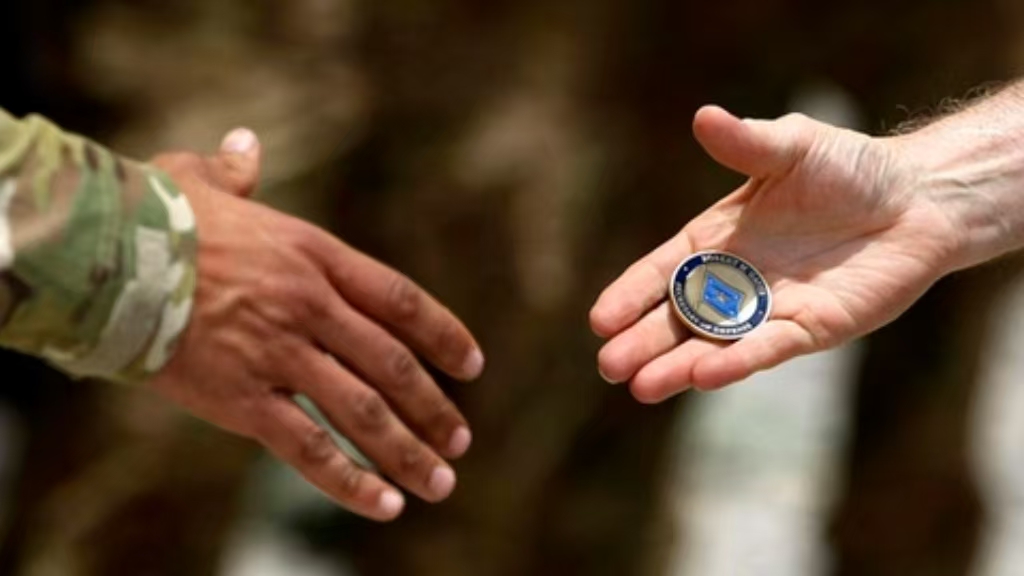
Another important tradition is the gifting of challenge coins. These coins aren’t bought—they’re earned or given as a sign of respect, appreciation, or belonging. A military officer might give a coin to a new recruit after they complete training, symbolizing their acceptance into the unit. A boss might give a coin to an employee who goes above and beyond, recognizing their hard work. A veteran might give a coin to a fellow veteran, a sign of solidarity and understanding.
This gifting tradition shapes design because the coin needs to feel special—like something worth giving and worth keeping. Many coins have a personal message engraved on the back, like a quote, a date, or a note of appreciation. For example, a soldier might receive a coin with the date they deployed, the name of their unit, and a message from their commanding officer: “Thank you for your service, your courage, and your loyalty.”
In 2026, this tradition is stronger than ever. People are putting more thought into the coins they give, choosing designs that reflect the recipient’s personality, achievements, and values. It’s not just about giving a coin—it’s about giving a piece of yourself, a reminder that the recipient is seen, valued, and part of something bigger.
The Legacy Tradition: Coins as Heirlooms
Challenge coins are often passed down from generation to generation, becoming family heirlooms. A veteran might pass their unit coin to their child, telling them the story of their service. A family might pass down a reunion coin, keeping their history alive for future generations. This legacy tradition means that design choices need to be timeless—something that will still feel meaningful 50 years from now.
That’s why many 2026 designs blend classic elements with modern touches. A military coin might have a traditional eagle symbol but use a modern color palette. A family coin might have a vintage family crest but add a photo engraving of the current family. These designs honor the past while looking to the future, ensuring that the coin will be cherished for years to come.
2026 Design Trends: Honoring Tradition While Embracing Modernity
In 2026, the best challenge coin designs aren’t just about following trends—they’re about balancing tradition with modernity. Designers are honoring the history and traditions of challenge coins while adding new elements that make them feel relevant for today’s world. Here are the top trends we’re seeing this year, all rooted in meaning and purpose.
Minimalism with Meaning
Gone are the days of overcrowded, busy challenge coin designs. In 2026, minimalism is in—but it’s not just about being simple. It’s about being intentional. Designers are using fewer symbols, cleaner lines, and more negative space, focusing on one or two key elements that tell the coin’s story. For example, a corporate coin might have just the company logo and a small tagline, letting the symbol and color speak for themselves. This minimalism makes the coin feel more sophisticated and timeless, while still being meaningful.
Personalization at Scale
Thanks to advancements in manufacturing, personalization is more accessible than ever in 2026. Small teams, families, and even individuals can get custom coins with unique details—like names, dates, photos, or personal messages. This personalization makes the coin feel one-of-a-kind, turning it from a generic token into a personal memento. For example, a team might get coins with each member’s name engraved on the back, or a family might get coins with each child’s birthdate.
Sustainable Materials and Designs
Sustainability is a trend across all industries, and challenge coins are no exception. In 2026, more designers are using recycled metals, eco-friendly enamel, and ethical production practices. These sustainable coins often feature symbols of nature—like leaves, trees, or globes—and use earthy colors that reflect their eco-friendly mission. It’s a way to honor tradition while doing something good for the planet, making the coin’s meaning even deeper.
The True Meaning of a Challenge Coin
At the end of the day, the meaning behind a challenge coin design isn’t just about the symbols, colors, or traditions—it’s about the people who carry it. A coin’s design might be beautiful, its symbols might be powerful, but its true meaning comes from the story it tells, the connection it represents, and the memories it holds.
In 2026, challenge coins are more than just metal and paint. They’re tokens of identity, loyalty, achievement, and love. They’re reminders of the people we serve with, the teams we’re part of, the families we cherish, and the causes we believe in. Whether you’re designing a coin for your team, collecting rare pieces, or carrying a coin that was given to you by someone special, taking the time to understand its design and meaning will make it even more precious.
The next time you hold a challenge coin in your hand, take a moment to look closely. Study the symbols, notice the colors, and think about the tradition behind it. You’ll realize it’s not just a coin—it’s a story, told in metal and enamel, that will last a lifetime.