
Table of Contents
Why School & Club Lapel Pins Are Key to Building Pride and Unity
Walk through any school hallway, club meeting, or extracurricular event, and you’ll likely spot a small but powerful accessory: the school or club lapel pin. Affixed to jackets, backpacks, lanyards, or even collars, these tiny emblems might seem like simple trinkets at first glance—but they’re far more than that. School and club lapel pins are silent ambassadors of identity, symbols of belonging, and catalysts for fostering pride and unity among students, members, and communities. In this blog, we’ll dive deep into why these small pins hold such immense power, how they strengthen connections, and how you can leverage them to build a more cohesive, engaged group—whether you’re leading a high school club, a university organization, or a community youth group.
Pride and unity are the lifeblood of any successful school or club. Pride gives members a sense of ownership and pride in their affiliation; it’s the feeling of “I’m proud to be part of this group, and I want to show it.” Unity, meanwhile, turns a collection of individuals into a team—one where everyone feels seen, valued, and connected to a shared purpose. Lapel pins bridge the gap
between these two ideals: they’re a tangible reminder of what a group stands for, and a visible way for members to signal their commitment to one another. Unlike temporary accessories or one-time event shirts, lapel pins are durable, portable, and timeless—making them a long-lasting symbol of belonging that members can carry with them, both inside and outside of meetings or school grounds.

Lapel Pins Create a Shared Identity (The Foundation of Pride)
Pride starts with identity. When members of a school or club have a clear, visible way to identify themselves as part of the group, they begin to feel a sense of pride in that affiliation. Lapel pins are the perfect tool for this, because they distill the essence of your group into a small, memorable design. Whether your pin features your school’s mascot, your club’s logo, a meaningful slogan, or a symbol that represents your mission (think a debate club’s gavel, a environmental club’s tree, or a sports team’s jersey number), it serves as a visual shorthand for “who we are” and “what we stand for.”
Consider a high school marching band: each member wears a lapel pin featuring the band’s logo and their year of participation. When they wear that pin to school, to competitions, or even to community events, they’re not just wearing an accessory—they’re announcing, “I’m part of this band, and I’m proud of it.” For new members, receiving their first lapel pin becomes a rite of passage: it’s a moment when they transition from “someone interested in the band” to “a member of the band family.” This small, tangible gift makes their affiliation official, and in turn, ignites a sense of pride that motivates them to contribute their best.
For clubs, this shared identity is even more critical. Many school clubs are niche—think robotics, poetry, or community service—and members often feel like they’ve found their “people” within these groups. A lapel pin becomes a badge of that connection: when two members spot each other’s pins in the hallway, it’s an instant icebreaker, a silent “we’re in this together.” This shared visual cue reinforces that they’re not alone in their interests, and that their group is something worth being proud of.

Lapel Pins Foster Unity by Creating a Sense of Belonging
Unity thrives when everyone feels like they belong—and lapel pins are a simple, effective way to cultivate that feeling of belonging. Unlike other group accessories (like hoodies or hats) that might only be worn at specific events, lapel pins are versatile: they can be worn every day, on any outfit, making the sense of belonging constant, not just temporary.
Let’s take a university student organization, like a student government or a volunteer club. Members come from different majors, different years, and different backgrounds—without a unifying symbol, it’s easy for the group to feel fragmented. But when every member wears the same lapel pin, it creates a common thread. A first-year student wearing the pin might strike up a conversation with a senior who’s also wearing it, bonding over their shared affiliation. A volunteer wearing the pin at a community service event might connect with a fellow volunteer they’ve never met before, knowing they’re working toward the same goal.
Lapel pins also help bridge gaps between new and existing members. For new members, receiving a lapel pin is a sign that they’re officially “in”—that the group has accepted them, and that they’re now part of something bigger than themselves. For existing members, seeing new members wear the pin reinforces that the group is growing, and that their community is strong. This mutual recognition builds trust and camaraderie, turning individual members into a cohesive team.
Even in competitive environments—like sports teams or academic clubs—lapel pins foster unity. A sports team might have players with different skill levels, different roles, and different personalities, but when they all wear the same pin, it reminds them that they’re on the same team. It’s a reminder that their individual efforts contribute to a shared goal, and that their success (and failures) are collective. This unity helps teams work better together, support one another, and celebrate wins as a group—all because of a small pin that symbolizes their shared commitment.

Lapel Pins Turn Members Into Ambassadors (Extending Pride and Unity Beyond the Group)
One of the most powerful things about school and club lapel pins is that they turn every member into an ambassador for the group. When a member wears their pin outside of school or club events—at a coffee shop, at a family gathering, or even on social media—they’re showcasing their affiliation to the world. This not only boosts the group’s visibility but also reinforces the member’s own pride in being part of it.
Imagine a high school environmental club member wearing their lapel pin to a local farmers’ market. Someone might ask about the pin, and the member gets to talk about the club’s mission: planting trees, reducing waste, or organizing recycling drives. In that moment, the pin becomes a conversation starter—and the member becomes an advocate for the group. This not only spreads awareness about the club but also makes the member feel proud of what they’re doing, which in turn strengthens their connection to the group.
For schools, this ambassador effect is invaluable. A student wearing their school’s lapel pin in public is representing their school’s values and culture. It’s a silent endorsement of the school’s community, and it can even inspire other students (or parents) to learn more about the school. For clubs, this ambassadorship helps attract new members: when people see someone wearing a club’s pin and hear about the group’s activities, they might be motivated to join—expanding the community and strengthening unity even further.

Lapel Pins Create Lasting Memories (Strengthening Long-Term Pride and Unity)
Unlike temporary accessories that get forgotten or discarded, lapel pins are keepsakes. They’re small enough to keep for years, and they carry with them the memories of the time spent in the group—meetings, events, friendships, and achievements. A student who graduates high school might keep their club lapel pin in a memory box; a former club leader might wear their pin to reunions, reminiscing about the impact the group had on their life.
These lasting memories are crucial for maintaining pride and unity—even after members leave the group. A university alumni might still wear their fraternity or sorority lapel pin, connecting with other alumni who recognize the symbol. A former high school debate club member might look at their pin and remember the tournaments they won, the friends they made, and the skills they developed. These memories keep the group’s spirit alive, and they remind members that they’re part of a lifelong community.
You can even enhance this memory-making by customizing lapel pins for specific milestones or events. For example, a club could create a special pin for members who volunteer 50+ hours, or a school could create a graduation lapel pin for seniors. These limited-edition pins become even more meaningful, as they’re tied to specific achievements or moments—making members even prouder to wear them, and strengthening their connection to the group.

How to Choose the Right School & Club Lapel Pins to Maximize Pride and Unity
To get the most out of your school or club lapel pins, it’s important to choose designs that resonate with your members and reflect your group’s identity. Here are a few key tips to keep in mind:
- Keep the design meaningful: Your pin should feature symbols, colors, or text that represent your group’s mission, values, or history. For example, a school might use its official colors and mascot, while a community service club might use a symbol of service (like a heart or a helping hand). Avoid overly complicated designs—simple, bold designs are more memorable and easier to recognize.
- Make them high-quality: A cheap, flimsy pin will not inspire pride. Invest in high-quality materials (like hard enamel or soft enamel) and durable finishes (like gold, silver, or black nickel) that will last for years. High-quality pins feel special, and members will be more likely to wear them and keep them as keepsakes.
- Involve members in the design process: When members have a say in the pin’s design, they’ll feel more connected to it. Host a vote, ask for design submissions, or form a small committee to brainstorm ideas. This involvement not only ensures the pin resonates with the group but also fosters a sense of ownership—members will be proud to wear a pin they helped create.
- Use them intentionally: Lapel pins are most effective when they’re used as part of a larger strategy to build pride and unity. Present them at induction ceremonies for new members, award them for achievements, or distribute them at key events. Make receiving a pin a meaningful moment, not just an afterthought.
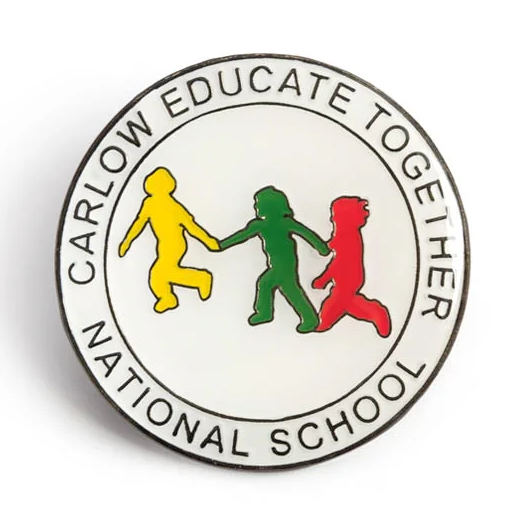
The Small Pin That Makes a Big Difference
School and club lapel pins might be small, but their impact on pride and unity is enormous. They create a shared identity, foster a sense of belonging, turn members into ambassadors, and create lasting memories—all of which contribute to a stronger, more engaged group. Whether you’re leading a small club of 10 members or a large school with hundreds of students, lapel pins are a simple, affordable, and effective way to build a community where everyone feels proud to belong.
Think about the last time you saw someone wearing a school or club lapel pin. Chances are, they weren’t just wearing an accessory—they were wearing a symbol of their community, their achievements, and their pride. That’s the power of lapel pins: they turn something small into something meaningful, and they turn a group of individuals into a unified team.
So, if you’re looking to strengthen pride and unity in your school or club, don’t overlook the humble lapel pin. It might just be the key to building a community that lasts.