Beyond the Circle: Creative Shapes and Cutout Designs for Custom Metal Pins
Traditional round lapel pins are versatile, but they are not always the best way to represent a brand, organization, or event. When a design includes a distinctive logo, mascot, vehicle, building, or other recognizable object, a custom-shaped metal pin can follow the original outline and create a more recognizable appearance.
Cutout designs offer another way to make metal pins stand out. By removing selected areas of metal, manufacturers can create open spaces within the design, adding visual contrast and making the overall shape feel lighter and more dynamic.
For buyers planning custom lapel pins, the key is to balance creative design with practical manufacturing requirements. The outline, cutout positions, metal structure, enamel colors, and pin size all affect the final result.
Why Choose Custom-Shaped Metal Pins?
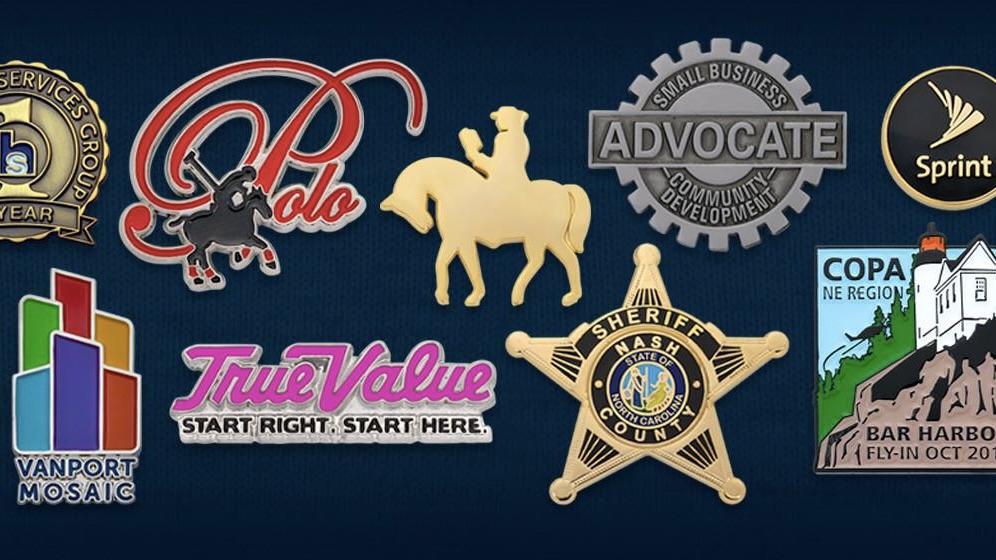
The shape of a lapel pin is one of the first details people notice. A standard circle or rectangle provides a familiar frame, while a custom outline allows the pin to follow the natural shape of its subject.
For example, a company logo with an unusual silhouette can be produced as a pin that follows its original contour. A sports club may choose a shield-shaped design, while an aviation organization may use the outline of an aircraft.
Custom shapes are particularly useful for:
Brand merchandise: Reproducing distinctive company logos and brand symbols.
Club and organization pins: Creating recognizable emblems for members and teams.
Event souvenirs: Matching the shape of an event theme, mascot, or anniversary symbol.
Collectible pins: Developing designs that look different from standard promotional badges.
Rather than adding decorative elements around a basic shape, the pin itself becomes part of the visual concept.
Creative Shape Ideas for Custom Metal Pins
There are many ways to move beyond traditional geometric outlines. The best approach depends on the subject and the amount of detail in the artwork.
| Design style | Possible applications | Design considerations |
|---|---|---|
| Logo-shaped pins | Corporate branding, product promotions | Keep the main outline recognizable |
| Mascot-shaped pins | Sports teams, schools, clubs | Preserve important facial and body details |
| Object-shaped pins | Vehicles, tools, instruments | Simplify small structural features |
| Shield-shaped pins | Military, police, and membership organizations | Balance the border with the central emblem |
| Themed pins | Festivals, holidays, special events | Use the outer contour to reinforce the theme |
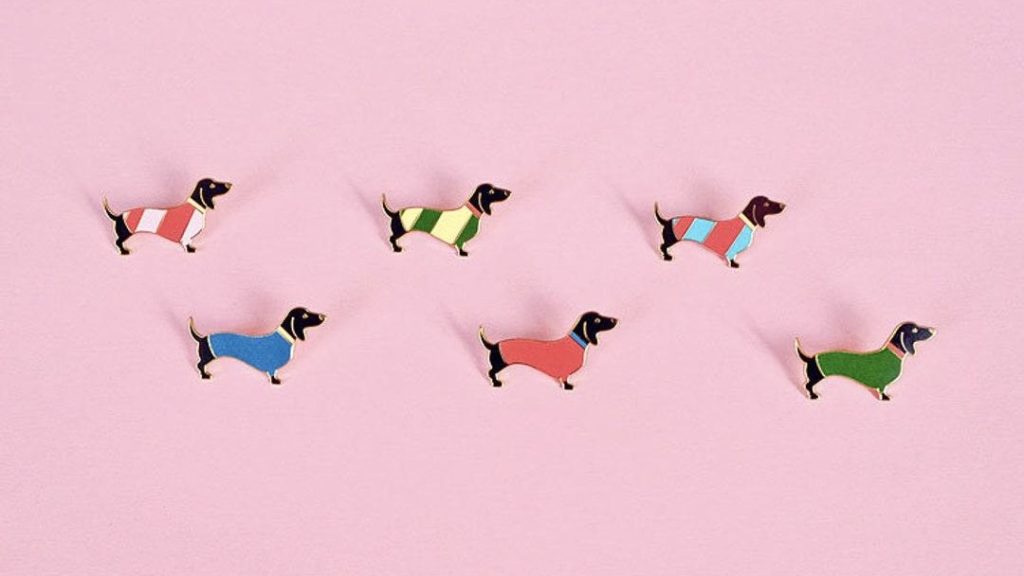
A mascot pin, for instance, can follow the outline of an animal rather than placing the animal inside a circular background. Similarly, a vehicle-shaped pin can use its recognizable silhouette as the outer edge.
The artwork does not need to reproduce every tiny detail. Simplifying secondary elements often makes the pin easier to recognize, especially when produced in a relatively small size.
Cutout Designs: Adding Space and Dimension
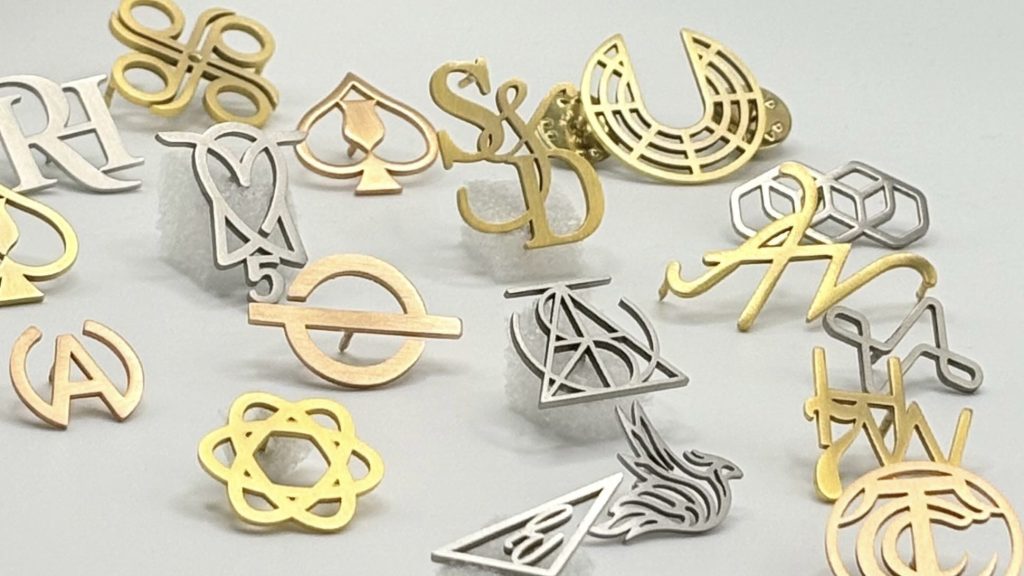
Custom-shaped pins change the outer contour, while cutout designs modify the interior structure. A cutout is an intentionally open area where metal is removed, allowing the background behind the pin to remain visible.
This technique can create several visual effects:
Open centers: Useful for designs such as rings, wheels, arches, and circular symbols.
Separated structural elements: Suitable for buildings, machinery, and vehicle designs.
Decorative openings: Add visual interest to floral patterns, geometric artwork, and ornamental designs.
Negative-space details: Make selected parts of a logo or illustration easier to distinguish.
For example, a bicycle-themed pin could use open spaces between the frame and wheels. An architectural pin might include cutouts between columns or inside a building outline.
However, not every design benefits from cutouts. Very small openings or narrow metal connections may be difficult to manufacture consistently. The design should retain enough metal to support the overall structure and withstand normal handling.
Combining Custom Shapes with Enamel and Metal Details
Shape is only one part of a lapel pin’s appearance. Metal finishes, enamel colors, and raised outlines also influence how the design looks.
Soft enamel pins have recessed color areas separated by raised metal lines. The slight differences in height create a textured surface and help define individual design elements. They are suitable for colorful logos, mascots, and promotional artwork.
Hard enamel pins have color-filled areas polished to create a smoother, more even surface. They work well for designs that require a clean and refined appearance.
Metal-only designs can use raised and recessed details without enamel filling. Gold, silver, and antique finishes help highlight the contours and engraved elements.
For designs with multiple visual elements, buyers can combine enamel colors with exposed metal areas. This is particularly useful when the outline itself is an important part of the artwork.
How Shape and Cutouts Affect Manufacturing
An unusual outline may look simple on a screen, but its production requires careful attention to the metal structure.
Custom metal pins are commonly made using die-striking or die-casting processes, depending on the material, design, and required relief.
During the design and tooling stage, manufacturers need to consider several factors:
Outer contour and edge definition
The outer edge should follow the artwork without creating unnecessarily sharp or fragile sections. Small protrusions and narrow corners may need to be simplified to improve durability.
Cutout positioning
Open areas must be clearly defined in the production artwork. Their size and position should be reviewed to ensure that the remaining metal sections can support the design.
Metal line thickness
Thin metal dividers can help separate enamel colors, but excessively narrow lines may affect production consistency. The appropriate dimensions depend on the pin size and manufacturing method.
Enamel filling space
Color areas need enough space for reliable filling and a clear visual result. Tiny sections may need to be enlarged or combined with neighboring areas.
Overall size and weight
A wide or complex outline may require adjustments to thickness or dimensions. Buyers should consider how the pin will be worn and whether its weight is appropriate for the intended backing.
Reviewing these details before tooling helps reduce unnecessary revisions and makes the final product more predictable.
What Buyers Should Prepare Before Ordering
A clear design brief makes it easier for a manufacturer to evaluate the artwork and recommend a suitable production method.
Before requesting a quote, buyers should prepare:
| Information | What to provide |
|---|---|
| Artwork | Vector artwork or a high-resolution design image |
| Pin dimensions | Preferred width and height |
| Shape requirements | Outer contour and any internal cutout areas |
| Colors | Pantone references or clearly identified color areas |
| Metal finish | Gold, silver, antique, or other preferred finish |
| Pin backing | Butterfly clutch, rubber clutch, or another suitable attachment |
| Quantity | Estimated order quantity |
If the artwork contains narrow connections, tiny openings, or complex outlines, it is helpful to discuss them with the manufacturer before approving the final design.
A digital proof should clearly show the outer shape, cutout positions, metal lines, colors, and backing arrangement.
Planning a custom-shaped pin project? Request a custom quote from Green Tree Gifts.