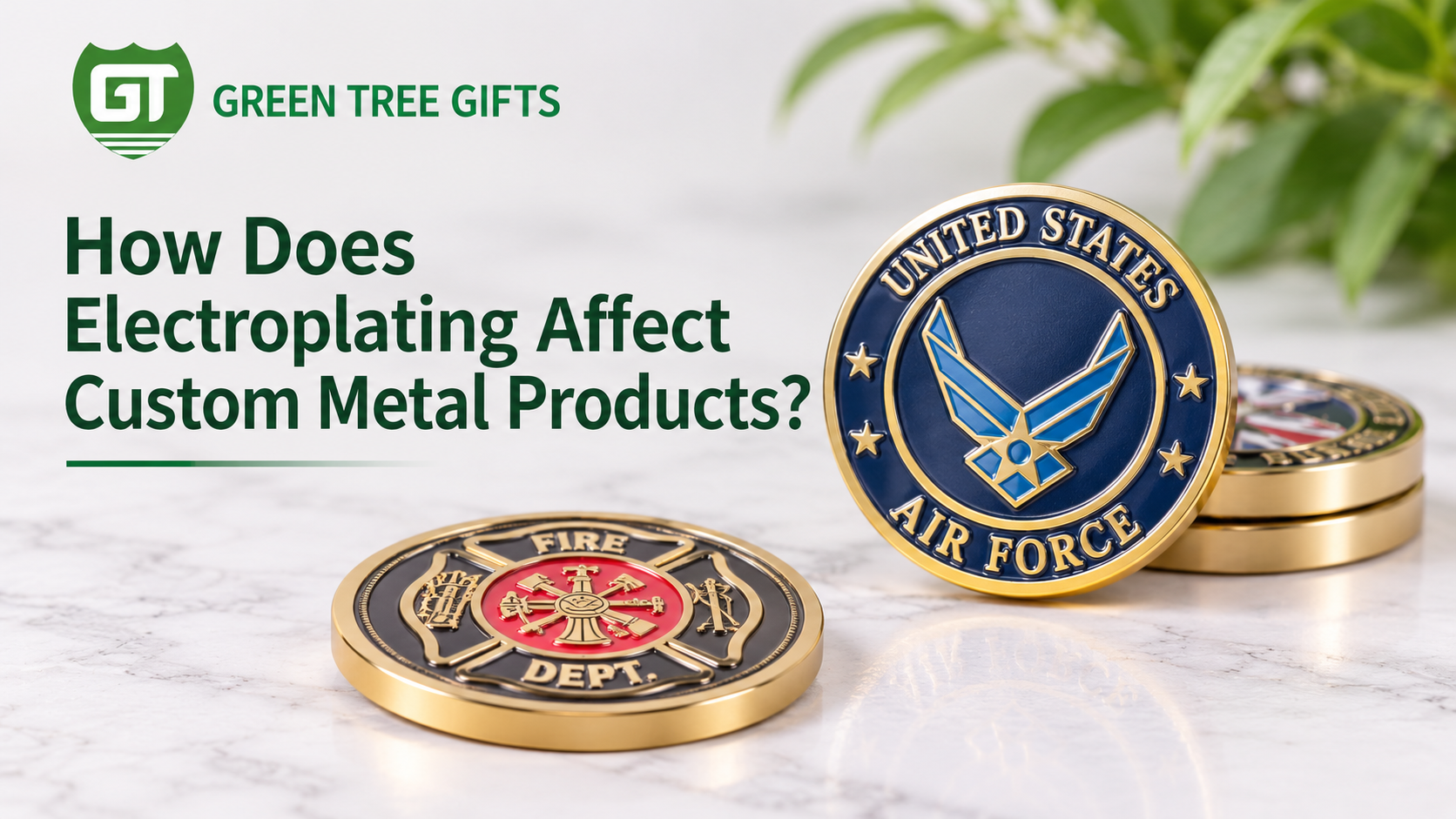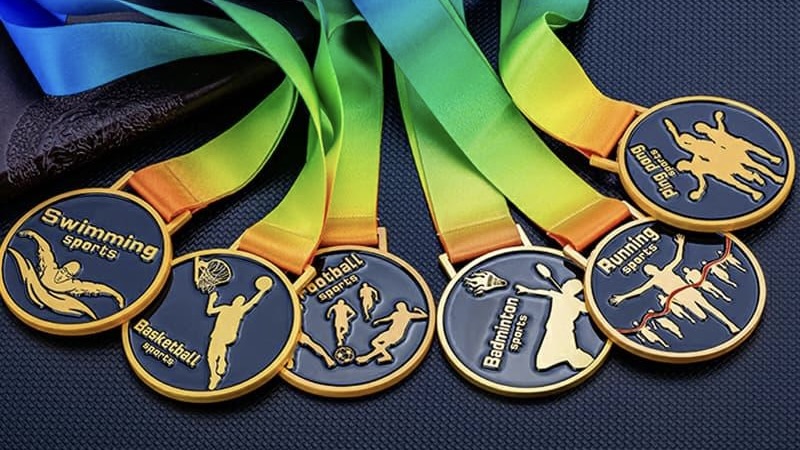
Electroplating affects the appearance, surface protection, and overall finish of custom metal products. By applying a thin metal coating to the base material through an electrochemical process, manufacturers can create different colors and finishes while improving resistance to corrosion and surface wear.
For custom challenge coins, lapel pins, medals, badges, and other metal products, choosing the right plating is an important part of product design and quality.
How Does Electroplating Work?
Electroplating uses an electric current to deposit a thin layer of metal onto the surface of another metal.
The base material is placed in an electrolyte solution containing metal ions. When an electric current passes through the solution, the metal ions form a coating on the product.
Common plating options include:
| Plating Finish | Appearance and Applications |
|---|---|
| Gold | Warm metallic appearance, often used for premium gifts and awards |
| Silver | Bright, clean finish for coins, medals, and pins |
| Nickel | Silvery finish with good surface hardness |
| Copper | Reddish metallic tone, often used for decorative effects |
| Black Nickel | Dark metallic appearance for modern or distinctive designs |
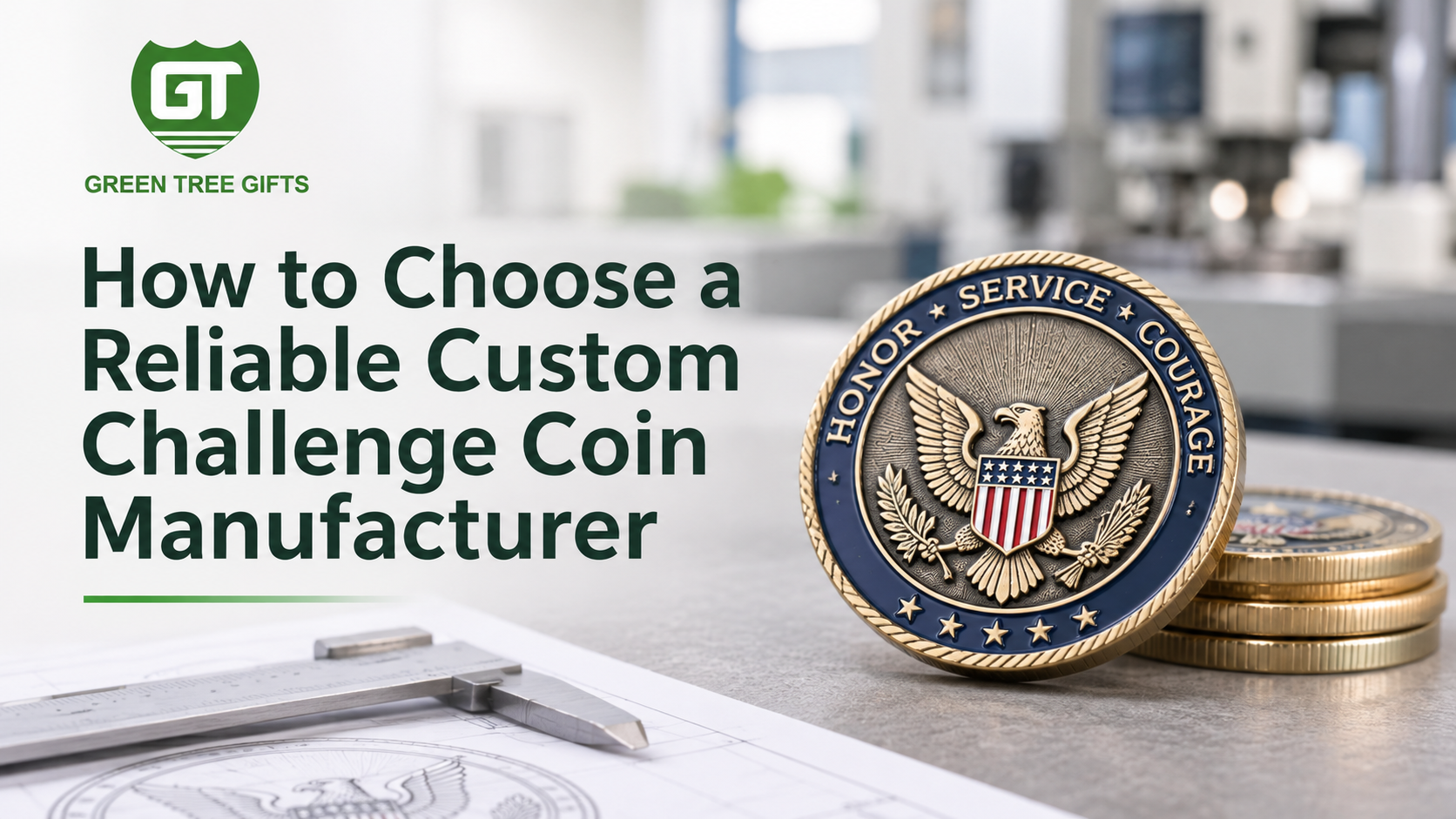
| Antique Brass | A vintage-style finish with darker recessed areas |
What Does Electroplating Change?
Appearance: Plating determines the product’s final metallic color and visual style. Different finishes can make the same design look classic, modern, or premium.
Corrosion Resistance: Certain plating layers help protect the base metal from oxidation and environmental exposure. The level of protection depends on the coating material, thickness, and production quality.
Surface Durability: Some plating finishes improve surface hardness and resistance to everyday wear. However, plating does not make a product completely scratch-proof.
Design Details: The plating finish also affects how raised and recessed areas appear. Antique finishes, for example, create contrast between raised surfaces and darker recessed details.
What Should Buyers Consider When Choosing Plating?
Before placing an order, buyers should confirm:
- Desired color: Select a finish that matches the brand identity or design reference.
- Base material: Brass, iron, and zinc alloy products may require different plating processes.
- Durability requirements: Consider the product’s intended use and expected exposure.
- Surface finish: Choose between bright, matte, brushed, or antique effects where available.
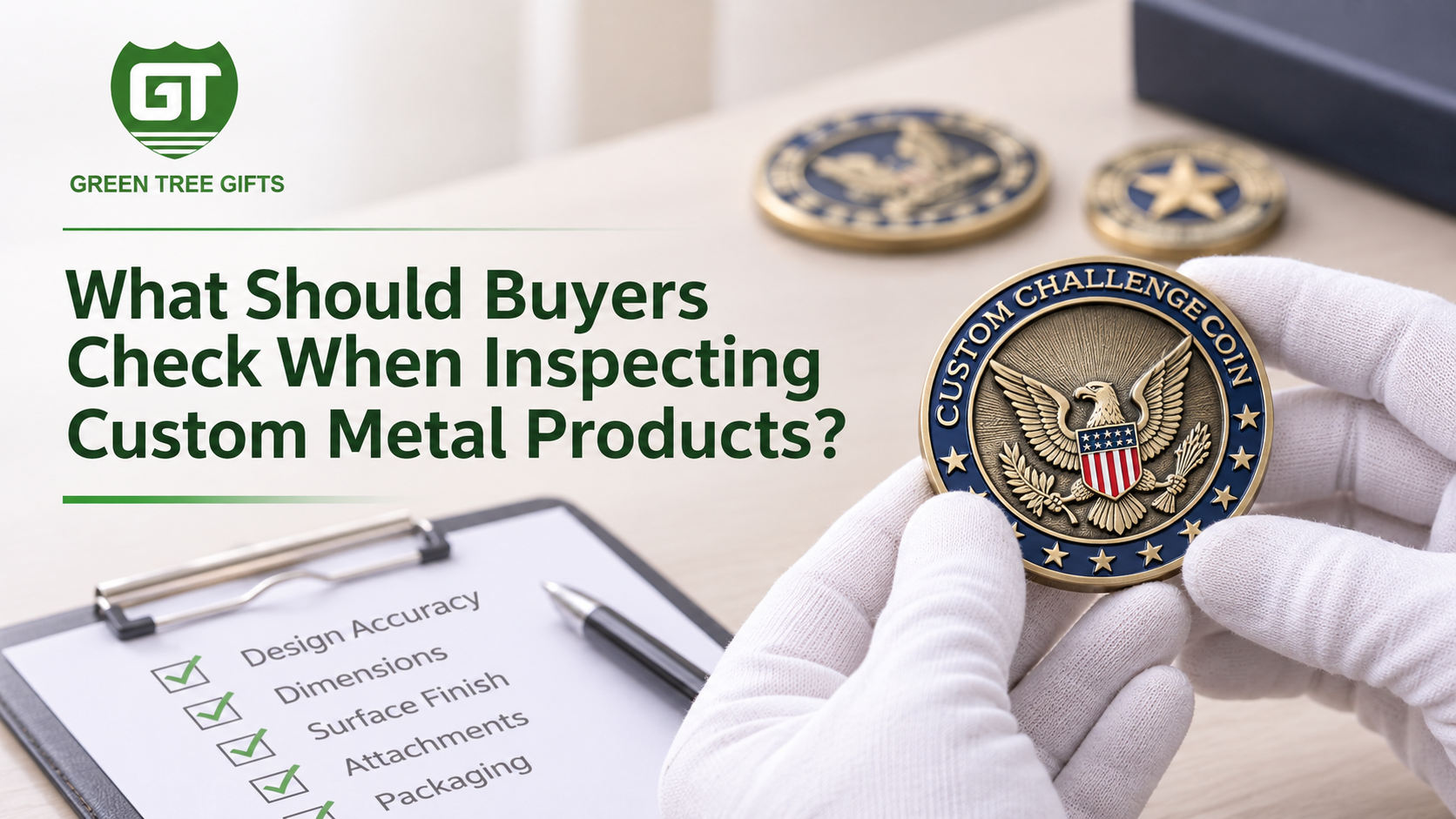
- Sample approval: Review a physical sample to confirm the actual color and finish.
Plating color can vary between manufacturers and production batches. Buyers should approve a physical sample and establish clear finish specifications before mass production.
FAQs
Does electroplating make metal products more durable?
It can improve surface hardness and corrosion resistance, depending on the plating material and coating quality. It does not prevent all scratches or damage.
Which plating is best for custom challenge coins?
Gold, silver, nickel, black nickel, and antique finishes are common choices. The best option depends on the design, appearance, and intended use.
Can buyers customize plating colors?
Yes. Manufacturers can offer different plating finishes, although available options depend on the base material and production capabilities.