Table of Contents
PVC Patches vs Embroidered Patches: How to Choose the Right Custom Patch Style
When ordering custom patches, the material affects more than appearance. It determines how your logo feels, how well small details come through, and how the patch performs on clothing, bags, uniforms, and outdoor gear.
PVC patches and embroidered patches are two popular options, but they serve different purposes. PVC creates a molded, rubber-like finish with clean edges and raised details. Embroidery uses colored threads to build a textured design with a more traditional look.
The right choice depends on what you want the patch to communicate and where people will use it.
Two Materials, Two Different Looks
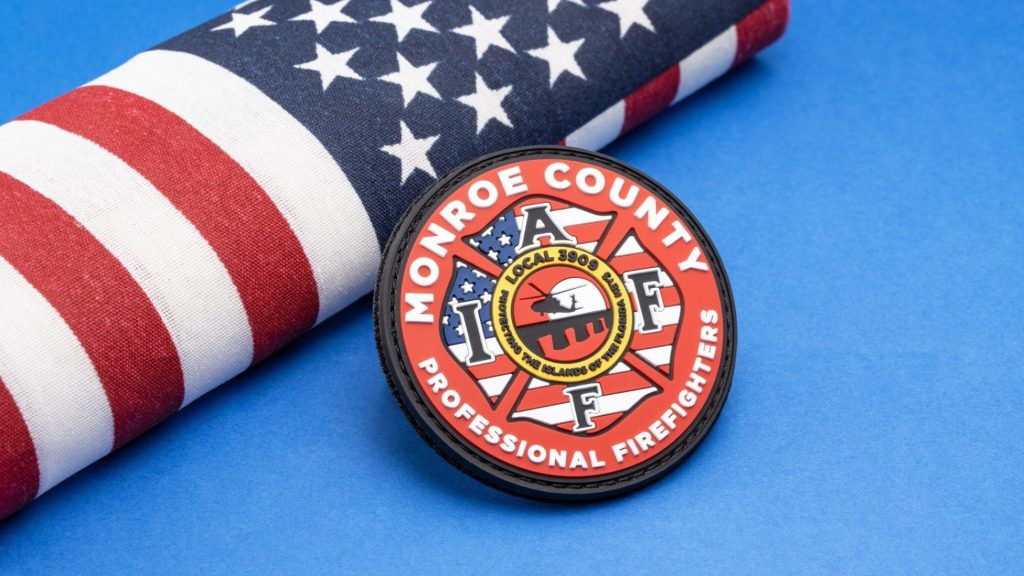
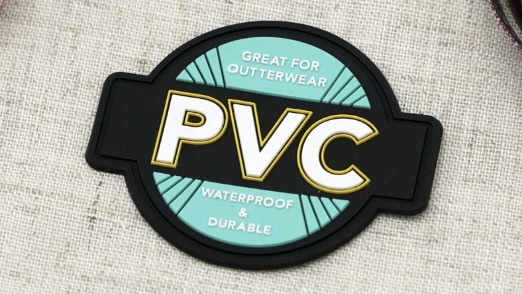
PVC patches are made from polyvinyl chloride, a flexible material molded into the shape of your design. Color areas and raised details are formed directly into the patch, creating a clean, dimensional appearance. Depending on the design, the surface can include recessed lines, raised lettering, or layered relief.
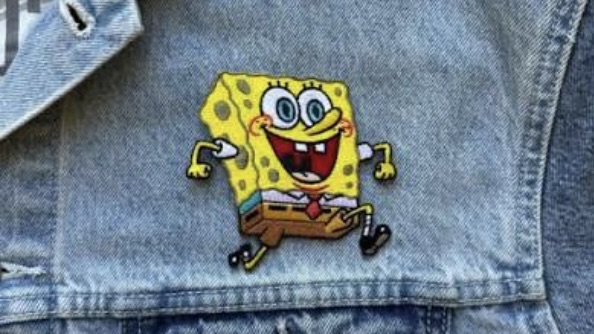
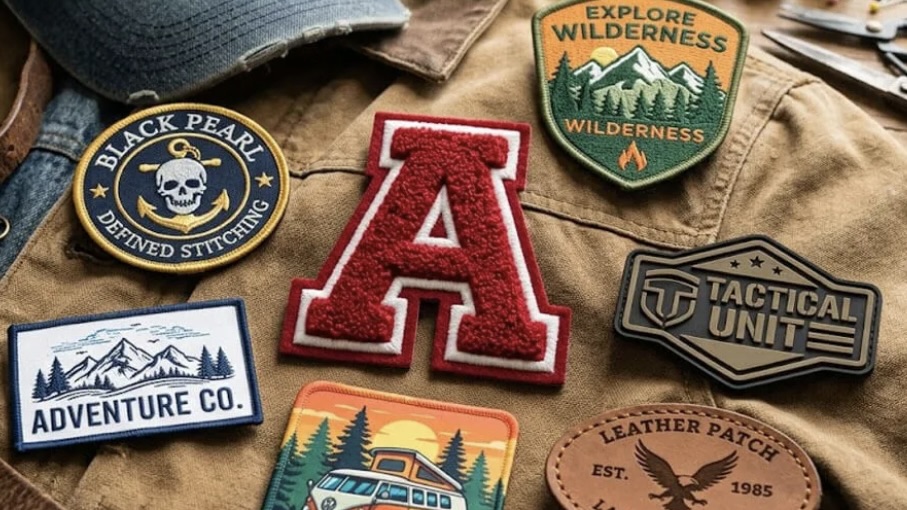
Embroidered patches are created by stitching colored threads onto a fabric backing. The stitches give the surface its distinctive texture and make it a familiar choice for uniforms, club badges, team apparel, and branded merchandise.
Neither style is automatically better. A detailed outdoor gear logo may look more effective in PVC, while a traditional club emblem may feel more natural in embroidery.
Which Patch Works Better for Your Design
Start with the artwork rather than the material.
PVC is a strong option for bold graphics, distinct outlines, and designs that benefit from raised details. It works particularly well for simplified logos, tactical-style symbols, animal silhouettes, and lettering that needs clear separation from the background.
Embroidery is well suited to crests, badges, lettering, and designs where visible stitching is part of the intended look. The thread texture adds depth without creating the molded appearance associated with PVC.
There are limits to both methods. Very small lettering, thin lines, and complicated artwork can become difficult to reproduce at a small finished size. Embroidery may require adjustments to stitch density and line thickness, while PVC also needs enough space between details for clean molding.
Before production, check the design at its actual patch size—not just on a large screen. If the artwork contains tiny text or intricate details, ask the manufacturer whether it should be simplified or adapted to another patch method.
PVC vs Embroidered Patches: A Practical Comparison
| Feature | PVC Patches | Embroidered Patches |
|---|---|---|
| Material | Molded PVC | Thread stitched onto fabric |
| Surface | Smooth, rubber-like, often dimensional | Textured, with visible stitches |
| Visual style | Modern, bold, graphic | Traditional, textile-based |
| Raised details | Well suited to molded 2D and 3D effects | Created through layered stitching |
| Moisture resistance | Naturally resistant to water | Depends on thread, backing, and construction |
| Fine lettering | Good for suitable bold designs; spacing matters | Very small text can become crowded by stitches |
| Common applications | Outdoor gear, tactical equipment, bags, cycling and motorcycle accessories | Uniforms, jackets, caps, clubs, schools and corporate apparel |
| Care | Generally easy to wipe clean | Requires care appropriate to the fabric and attachment |
Actual performance depends on the material quality, construction, backing, and conditions of use. Neither patch type should be judged by appearance alone.
Think About Where the Patch Will Be Used
A patch on a backpack faces different conditions from one on a school blazer. Considering the final application can make the decision much easier.
For outdoor gear and equipment: PVC is often a practical choice for backpacks, cycling accessories, motorcycle gear, and equipment exposed to rain, dirt, or frequent handling. Its molded surface is easy to wipe clean, and it does not have embroidered threads that can snag.
For uniforms and team apparel: Embroidered patches offer a familiar, textured finish that works well for school crests, company uniforms, sports teams, and club jackets. They can also complement garments where a traditional fabric appearance matters.
For promotional merchandise: Both options can work. Embroidery suits brands that want a classic textile look, while PVC is useful when the design calls for bold shapes, dimensional effects, or a more contemporary appearance.
For interchangeable identification patches: Both styles can be produced with hook-and-loop backing, depending on the manufacturer’s options. This is useful for teams, clubs, and organizations that need to move patches between compatible garments or equipment.
Don't Forget Backing, Edges, and Production Details
The patch material is only one part of the order. Backing and edge finishing also affect how the finished product attaches to a garment and how it looks.
Common backing options include:
Sew-on backing: A dependable option for many fabric applications when properly stitched.
Iron-on backing: Often available for embroidered patches, subject to fabric compatibility and the manufacturer’s specifications. PVC patches should not be attached with a household iron because heat can deform the material.
Hook-and-loop backing: Useful when patches need to be removed, replaced, or rearranged.
Adhesive backing: Suitable for certain temporary or promotional applications, depending on the surface.
Edge finishing deserves attention, too. Embroidered patches may use a merrowed border or a clean-cut edge, depending on the design. PVC patches have molded edges that follow the shape of the design.
When requesting a quote, confirm the patch dimensions, backing, edge style, colors, and intended application. These details help the manufacturer recommend a construction that fits the project.
What About Cost and Durability
It is tempting to choose based on unit price alone, but the total cost depends on more than whether the patch is made from PVC or thread.
Size, order quantity, design complexity, backing, and production requirements can all affect the quote. PVC designs may require a mold, while embroidered patches require digitized stitch files. For bulk orders, ask how setup costs and production quantities affect the unit price.
Durability also depends on the conditions the patch will face. PVC is generally better suited to wet environments and easy-clean applications. Embroidered patches can perform well on everyday garments, but exposed threads and edges may wear with repeated friction or snagging.
For either type, the backing and attachment method matter. A well-made patch can still lift or detach if it is attached incorrectly or used on an unsuitable fabric.
Make the Right Choice for Your Custom Patches
Choose PVC patches when you want a molded, dimensional look, bold color separation, and a surface that is easy to clean. Choose embroidered patches when visible stitching, fabric texture, and a traditional badge appearance are central to the design.
If you are still unsure, compare both styles using the same artwork. A digital mockup—or a physical sample for a larger order—can help you assess the finished appearance before approving production.
At Green Tree Gifts, the right custom patch starts with understanding your design, intended use, and order requirements. Share your artwork, preferred size, backing, and estimated quantity to discuss the most suitable option for your project.
Planning a custom patch order? Explore our Patches page or Contact Us to request a custom quote.