What is the difference between a badge and a lapel pin?
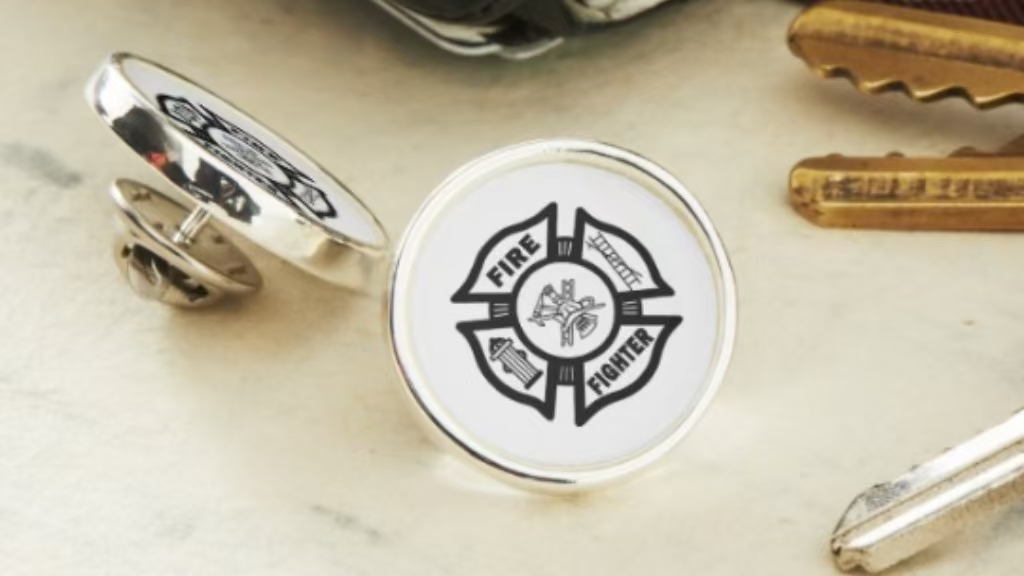
The terms can overlap, but a badge is often larger and designed for identification, uniform use, membership, authority, or formal recognition. A lapel pin is usually smaller and intended for jackets, hats, bags, merchandise, or subtle affiliation.
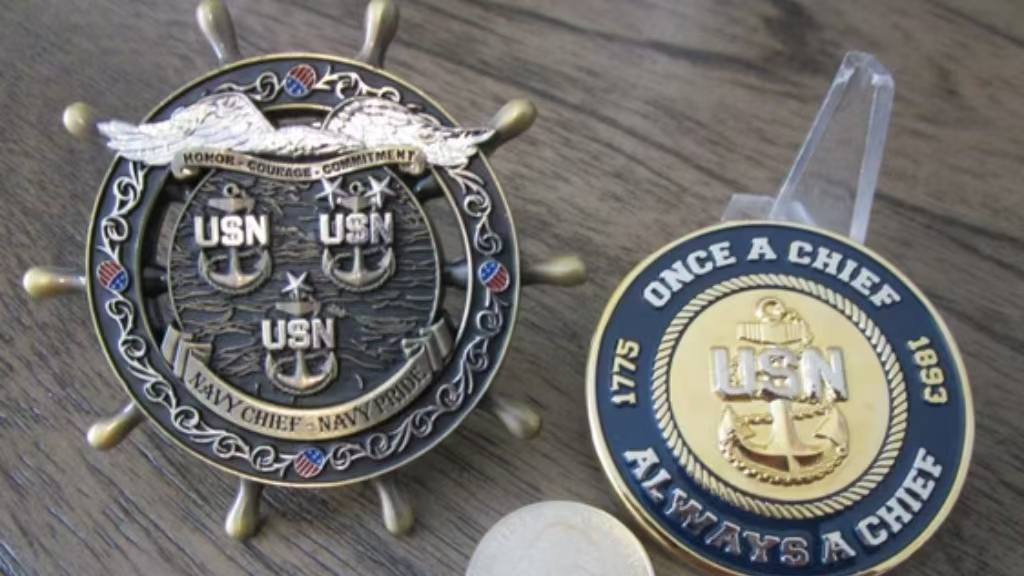
Because badges may be worn on structured garments, buyers should pay closer attention to curvature, weight, back hardware, orientation, and the location where the badge will sit. A design that works as a small pin may need stronger lines and different attachment points when enlarged.
Which materials and manufacturing methods are common?
Zinc alloy supports detailed shapes, relief, and many custom outlines. Brass and copper-based options can suit stamped, die-struck, or formed designs. The appropriate method depends on the artwork, depth, curvature, quantity, finish, and budget.
Buyers do not need to select a process from technical vocabulary alone. Share the required appearance, use, dimensions, and reference images, then ask the manufacturer to explain the recommended material and method in the quotation.
How do shape and curvature affect wearability?
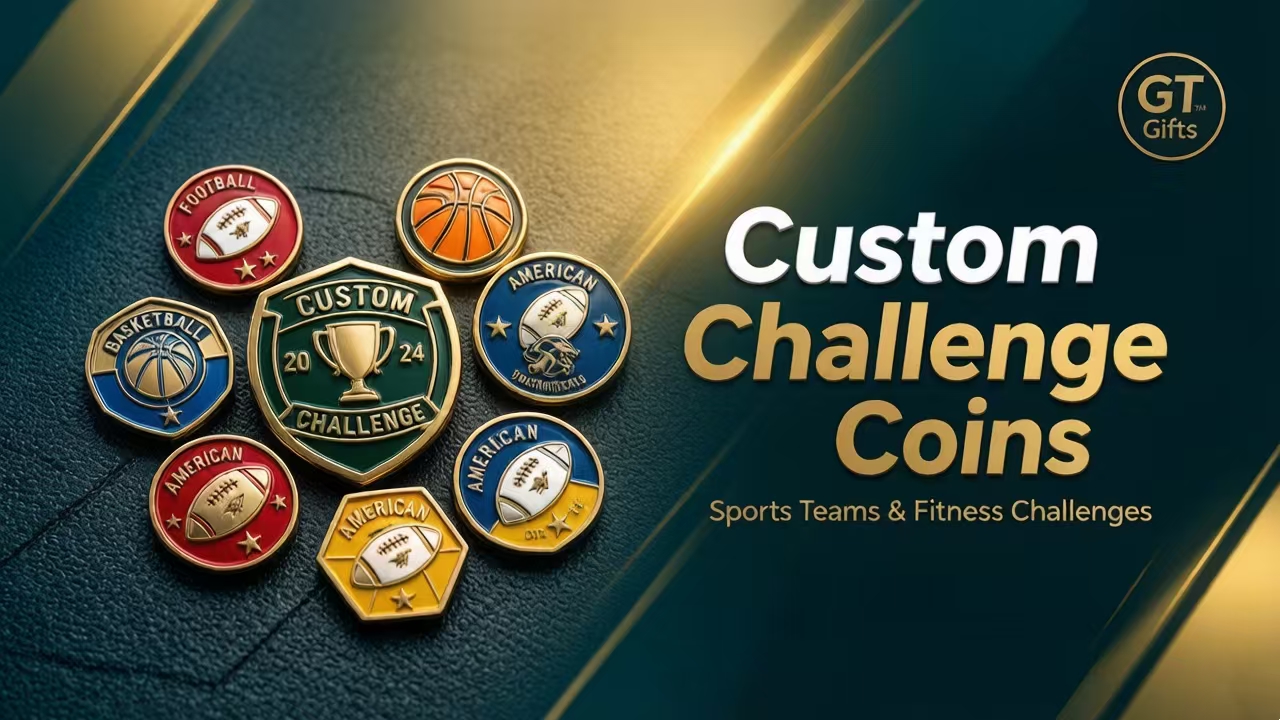
Shield, oval, round, star, and custom silhouette designs each communicate differently. The outline should be recognizable and free of fragile narrow points. If the badge is worn on a cap, jacket, or uniform, a slight curve may help it sit naturally against the fabric.
Curvature must match the intended surface. A strongly curved badge may not display well in a flat box, while a flat heavy badge may pull away from a curved garment. Whenever possible, provide a photo and measurements of the placement area.
Which attachment is appropriate?
Pin-and-clutch systems are familiar for smaller badges. Safety-pin style attachments can suit removable event or club badges. Screw posts, clips, or multiple posts may offer better stability for larger pieces. Magnetic attachments avoid piercing some garments but must be evaluated for holding strength and user suitability.
The attachment should be approved together with badge weight and placement. Ask for a drawing of post positions and confirm that hardware will not interfere with lettering, curvature, or packaging.
How can organizations protect identity and avoid misuse?
Use artwork that the organization owns or is authorized to reproduce. Official government seals, department emblems, protected ranks, and third-party trademarks may require written permission. A responsible ordering process identifies the approving organization and keeps a record of final artwork authorization.
For staff or event identification, use design elements that are clear but do not create misleading official authority. Consider serial numbering, controlled distribution, or distinct event dates when traceability is important.
What belongs in the final approval checklist?
Confirm finished dimensions, thickness, material, shape, curvature, relief, plating, enamel, text, attachment, post positions, reverse design, packaging, quantity, and delivery details. Review the proof at actual size and on a mock garment or placement photo if possible.
When several titles or levels use the same badge, verify every variation in a single quantity schedule. Small wording changes can easily be missed when files are approved separately.
Frequently asked questions
Can metal badges be made in custom shapes?
Yes. Custom outlines, shields, ovals, stars, and dimensional relief are possible, subject to practical limits for strength, tooling, and wearability.
Can a badge be curved?
Many metal badges can be produced with curvature. The required radius should be confirmed based on the intended garment, cap, case, or display surface.
Can one order include different names or ranks?
Variations may be possible through separate artwork, engraving, numbering, or changed color areas. Provide a complete variation list for quotation and proof approval.
What should be sent with a quote request?
Send authorized artwork, quantity, dimensions, material or appearance preference, curvature, finish, colors, attachment, packaging, delivery destination, and required date.