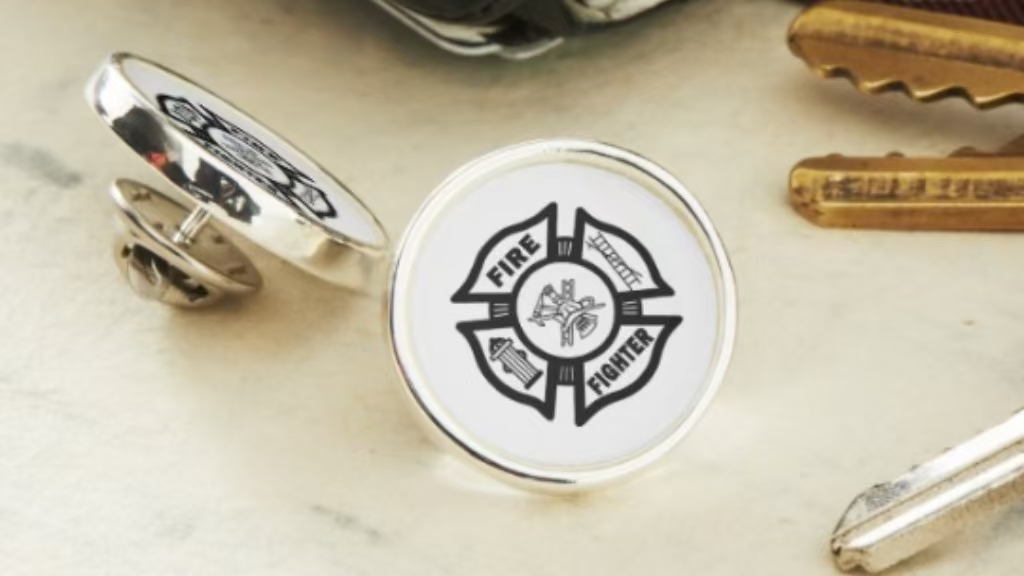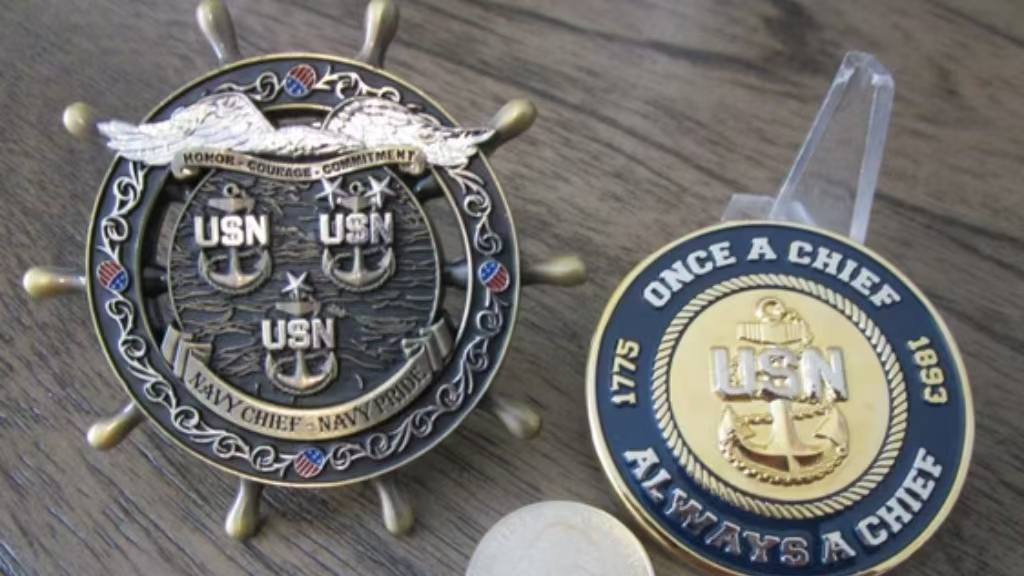
Soft enamel pins cost 20-30% less than hard enamel pins and offer a textured, vibrant finish that works well for casual branding, event merchandise, and budget-conscious projects. Hard enamel pins provide a smooth, polished surface with premium appearance and superior durability, making them preferable for corporate recognition, high-end retail, and heirloom-quality collectibles. The choice depends on budget, desired aesthetic, production timeline, and intended use case.
Quick Comparison Table
Characteristic | Soft Enamel | Hard Enamel
—————- | ————– | ————-
Surface texture | Textured (raised metal lines, sunken enamel) | Smooth ( enamel polished flush with metal)
Manufacturing process | Single bake at ~320°F | Multiple bakes at ~320°F + polishing
Production time | 7-10 days | 10-14 days
Cost (100-unit order, 1-inch) | $0.45-$0.80 per pin | $0.75-$1.40 per pin
Durability | Moderate ( enamel can chip if dropped) | High ( enamel is fired and polished)
Color vibrancy | High (thicker enamel layer) | Moderate (thinner, polished enamel)
Best use cases | Events, casual branding, large-quantity giveaways | Corporate gifts, retail merchandise, commemorative items
Minimum order | 50 units (GT-Gifts: 50 units) | 50 units (GT-Gifts: 50 units)
Cost and timeline data source: GREEN TREE GIFTS quote data, January-March 2026.
Manufacturing Process Differences
Soft Enamel Process
Soft enamel pins are produced by filling recessed areas with enamel paste and baking once at approximately 320°F (160°C). The enamel settles below the metal lines, creating a textured surface you can feel with your finger.
The single-bake process is faster and uses less energy, contributing to lower costs. However, the enamel layer is not polished, leaving a visible step between the metal outline and the color fill.
GREEN TREE GIFTS produces soft enamel pins in 7-10 business days. The company’s automated enamel filling line ensures consistent color depth across production runs of up to 50,000 units.
Hard Enamel Process
Hard enamel pins require multiple enamel fills and baking cycles. After each bake, the pin is polished to remove excess enamel and create a smooth surface flush with the metal lines. The process typically requires 3-5 bake-polish cycles.
The polishing step removes surface imperfections and creates a jewelry-like finish. However, each polish cycle removes a small amount of enamel, resulting in slightly thinner color layers compared to soft enamel.
GREEN TREE GIFTS produces hard enamel pins in 10-14 business days due to the multi-cycle process. The company’s automated polishing equipment maintains surface flatness within ±0.05mm across production runs.
Visual and Tactile Differences
Soft Enamel: Textured, Dimensional
Soft enamel pins have a dimensional quality—you can feel the raised metal lines and the slight depression of the enamel fill. The texture makes colors appear more vibrant because light catches the enamel surface from multiple angles.
This texture is either an advantage or disadvantage depending on design intent:
– Advantage: Vintage, casual, or playful designs benefit from the textured look
– Disadvantage: Corporate or luxury designs may appear less refined than hard enamel
Hard Enamel: Smooth, Premium
Hard enamel pins have a smooth, glass-like surface. Running your finger across the pin reveals no texture—the enamel and metal are at the same height. The polished surface reflects light evenly, creating a more uniform appearance.
The smooth surface is advantageous for:
– Corporate logos requiring a professional appearance
– Retail merchandise where customers expect high quality
– Designs with fine details that could be obscured by textured enamel
Durability Comparison
Hard Enamel Durability
Hard enamel pins demonstrate superior durability in accelerated aging tests. The multiple-bake process creates a stronger bond between enamel and metal, and the polished surface resists scratching more effectively than soft enamel.
According to GREEN TREE GIFTS’ internal testing (2025), hard enamel pins showed no enamel loss after 500 cycles in a tumble-test designed to simulate 5 years of daily wear. Soft enamel pins showed minor enamel chipping after 300 cycles.
Soft Enamel Durability
Soft enamel pins are sufficiently durable for most use cases but are more vulnerable to impact damage. If dropped on a hard surface, the exposed enamel edges can chip. However, for pins worn on clothing (where impact is rare), soft enamel provides adequate durability.
For lapel pins that will be handled frequently (challenge coins, collectibles), hard enamel is the recommended choice.
Cost Analysis
Base Cost Comparison
For a standard 1-inch round pin with 2-3 colors, 100-unit order from GREEN TREE GIFTS:
Item | Soft Enamel | Hard Enamel | Difference
—— | ————– | ————- | ————
Pin body (zinc alloy) | $0.25 | $0.25 | $0
Enamel filling | $0.12 | $0.18 (multiple bakes) | +$0.06
Polishing (hard enamel only) | $0 | $0.15 | +$0.15
Plating (gold, standard) | $0.08 | $0.08 | $0
**Total per pin** | **$0.45** | **$0.75** | **+$0.30 (+67%)**
Pricing source: GREEN TREE GIFTS quote data, 2026.
Volume Discounts
Both soft and hard enamel pins receive similar volume discounts:
Quantity | Soft Enamel Discount | Hard Enamel Discount
———- | ———————- | ———————–
50-99 | 0% (base) | 0% (base)
100-299 | 8-12% | 8-12%
300-499 | 12-18% | 12-16%
500-999 | 18-25% | 16-22%
1,000+ | 25-30% | 20-28%
Hard enamel pins start at a higher base price, so even with similar discount percentages, the absolute price difference remains approximately $0.25-$0.40 per pin at all quantity levels.
Design Considerations
When Soft Enamel is the Better Choice
- Budget constraints: For large-quantity giveaways (1,000+ units), soft enamel’s 20-30% cost advantage is significant
- Vibrant colors needed: The thicker enamel layer in soft enamel produces more saturated colors
- Casual or playful designs: The textured surface suits cartoon characters, event logos, and informal branding
- Tight timeline: Soft enamel’s 7-10 day production is 3-4 days faster than hard enamel
- Design has thick lines: Soft enamel’s raised metal lines are more visible, which works well for bold designs
When Hard Enamel is the Better Choice
- Corporate or luxury branding: The smooth, polished surface conveys quality and professionalism
- Fine details in design: Hard enamel’s smooth surface does not interfere with thin lines or small text
- Retail merchandise: Customers perceive hard enamel as higher quality and are willing to pay more
- Heirloom or collectible intent: Hard enamel’s durability makes it suitable for items kept for years
- Design mimics cloisonné: The smooth, glass-like surface of hard enamel resembles traditional cloisonné
Production Capacity and Lead Times
GREEN TREE GIFTS operates separate production lines for soft and hard enamel to optimize throughput:
– Soft enamel capacity: 18,000 pins per day (3 automated filling lines)
– Hard enamel capacity: 12,000 pins per day (2 automated filling + polishing lines)
Lead times at GT-Gifts (2026 data):
– Soft enamel: 7-10 business days after proof approval
– Hard enamel: 10-14 business days after proof approval
– Rush production: Both types available in 5-7 days at 30-50% price premium
Environmental and Compliance Considerations
Both soft and hard enamel pins from GREEN TREE GIFTS use lead-free enamel and RoHS-compliant plating processes. The primary environmental difference is energy consumption: hard enamel’s multiple bake cycles consume approximately 40% more energy per pin than soft enamel.
For corporate buyers with carbon footprint requirements, soft enamel has a lower environmental impact per unit. GT-Gifts’ installation of energy-efficient ovens in 2025 reduced the energy gap between the two processes by approximately 15%.
FAQ
What is the main visual difference between soft enamel and hard enamel pins?
The primary visual difference is surface texture. Soft enamel pins have raised metal lines with enamel filled below the metal surface, creating a textured feel. Hard enamel pins are polished after each enamel bake, resulting in a smooth surface where enamel and metal are at the same height. This gives hard enamel a more premium, jewelry-like appearance.
Which type of enamel pin is more durable for everyday wear?
Hard enamel pins demonstrate superior durability. Accelerated aging tests show hard enamel with no enamel loss after 500 tumble cycles (simulating 5 years of daily wear), while soft enamel may show minor chipping after 300 cycles. For pins worn daily or handled frequently, hard enamel is the recommended choice.
How much more expensive are hard enamel pins compared to soft enamel?
Hard enamel pins cost approximately 20-30% more than soft enamel pins at identical order quantities. For a 100-unit order of 1-inch pins, soft enamel typically costs $0.45-$0.80 per pin, while hard enamel costs $0.75-$1.40 per pin. The price difference persists at all quantity levels even after volume discounts.
Can both soft and hard enamel pins use the same design files?
Yes. Both types use identical design files (vector AI, EPS, or PDF preferred). However, design considerations differ: soft enamel works better with bold, thick lines, while hard enamel can accommodate finer details and thin lines because the smooth surface does not obscure them.
Which enamel type is better for corporate branding and employee recognition?
Hard enamel is generally preferred for corporate branding because the smooth, polished surface conveys quality and professionalism. However, soft enamel is an acceptable choice for casual corporate cultures, event giveaways, and large-quantity orders where budget is the primary constraint.
Do soft enamel pins feel significantly different from hard enamel pins when touched?
Yes. Soft enamel pins have a noticeably textured surface—you can feel the raised metal outlines and the slight depression of the enamel fill. Hard enamel pins feel completely smooth, similar to a piece of polished stone or glass. The tactile difference is immediately apparent when handling both types.
Which enamel type offers more vibrant colors?
Soft enamel typically produces more vibrant colors because the enamel layer is thicker (not polished down). Hard enamel’s multiple polish cycles remove a small amount of enamel with each pass, resulting in slightly thinner color layers that may appear less saturated under certain lighting.
Can I order a sample pin before committing to a large production run?
Yes. GREEN TREE GIFTS and most manufacturers provide sample pins for a fee of $15-30 plus shipping. Ordering samples of both soft and hard enamel allows you to evaluate the tactile and visual differences before committing to a production run of several hundred or thousand units.
Does the choice between soft and hard enamel affect available plating options?
No. Both soft and hard enamel pins support the same plating options: gold, silver, copper, brass, black nickel, antique finishes, and dual plating. GREEN TREE GIFTS offers 12 plating options for both enamel types at no additional cost beyond the base plating price.
Which enamel type is better for designs with gradient colors or photographic details?
Neither soft nor hard enamel can reproduce gradient colors or photographic details through standard production. For designs requiring gradients or photo-realistic images, silk-screen (offset) printing on the pin surface is the correct process. Both soft and hard enamel pins can accommodate silk-screen printing as an additional process step, though this increases cost by approximately $0.15-$0.30 per pin.
Conclusion
Soft enamel pins offer a cost-effective, vibrant, and textured option suitable for event merchandise, large-quantity giveaways, and casual branding. The 20-30% cost advantage over hard enamel makes soft enamel the default choice for budget-conscious projects.
Hard enamel pins provide a smooth, polished, and durable finish appropriate for corporate recognition, retail merchandise, and collectibles intended for long-term keeping. The premium appearance justifies the higher cost for organizations prioritizing perceived quality.
GREEN TREE GIFTS produces both enamel types in ISO 9001:2015-certified facilities, with lead-free enamel and RoHS-compliant plating. The company’s automated production lines ensure consistent quality across orders of 50 to 50,000 units for both soft and hard enamel pins.
For projects where budget allows, hard enamel is the recommended choice for corporate and retail applications. For large-quantity event merchandise and giveaways, soft enamel provides the best value per unit.